
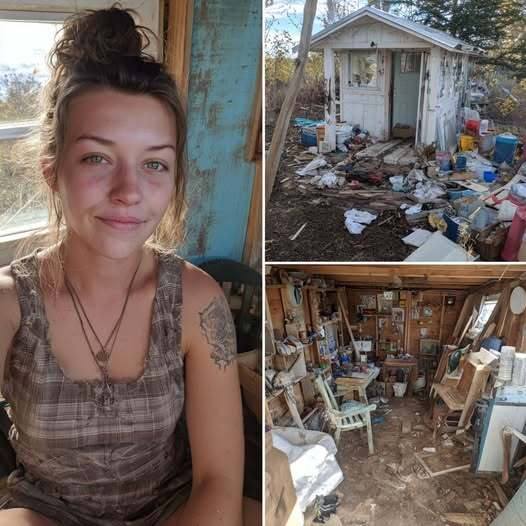
For many people, the transition to tiny home living starts with pressure: rising rent, environmental concern, or the uneasy sense of working long hours just to maintain space that goes mostly unused. Choosing less square footage in exchange for more freedom can feel like a big shift, but it often brings a surprising sense of relief. With fewer rooms and possessions, people are pushed to focus on what truly matters—time, wellbeing, relationships, and creativity—realizing how little is actually needed to live meaningfully.
Over time, sustainability becomes less of a concept and more of a lived routine: lower energy use, reduced waste, and more mindful choices in everyday life. Emotional clarity often follows. Minimalism becomes less about restriction and more about balance—having enough rather than excess. Tiny homes can also encourage stronger community ties, whether through shared spaces, gardens, or closer neighbor relationships.
There are still real challenges—zoning restrictions, space limitations, and difficult decisions about what to let go of—but the underlying idea remains steady: a fulfilling life isn’t defined by size, but by intention and how fully the space you have is used.
Leave a Reply