
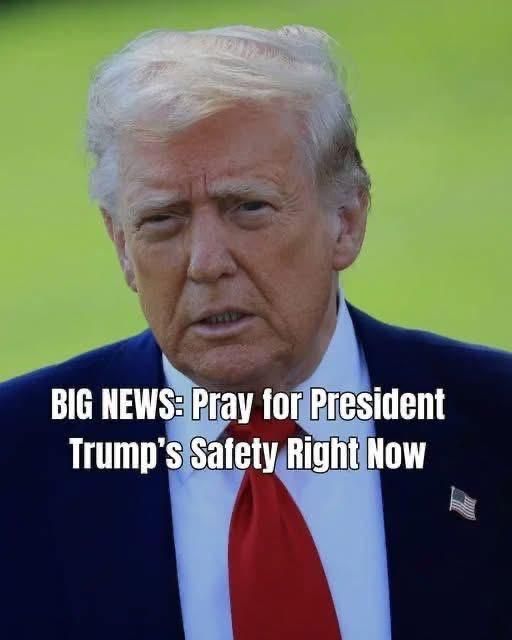
The political landscape in the United States shifted dramatically when federal prosecutors filed a sweeping indictment against a former president. This legal action is a focused and serious challenge, not a collection of minor procedural errors. The charges—which include conspiracy to defraud the federal government, conspiracy to obstruct an official action, obstruction of justice, and conspiracy to violate constitutional rights—represent a pivotal moment in American history. According to federal investigators, these allegations, presented with thorough legal precision, suggest a pattern of systematic criminal behavior that goes far beyond ordinary political maneuvering.
To understand the context of this legal dispute, one must revisit the volatile environment of late 2020. Partisan tensions were high, and claims of widespread electoral fraud proliferated while votes were still being counted in key states. These claims were amplified through social media, television interviews, and large public gatherings, sending millions of supporters a single, potent message: the election had been compromised.
The indictment, however, paints a starkly different picture of behind-the-scenes events. Prosecutors say that senior campaign advisors, cybersecurity experts, top government officials, and legal counsel repeatedly warned the former president that there was no reliable evidence of widespread fraud. Despite these warnings, the public messaging intensified. The government’s fraud charges assert that the former president knowingly promoted false claims as part of a calculated effort to overturn certified results, misleading both the public and the institutions tasked with upholding the peaceful transfer of power.
The case also encompasses the events of January 6, which, instead of being a routine certification of the Electoral College, became the focus of political maneuvering. Prosecutors claim there were coordinated efforts to disrupt the joint session of Congress, including the creation of “alternate electors” in key swing states who submitted documents falsely claiming legitimacy. These actions were intended to create disorder, exert political pressure, and potentially alter the outcome of the election.
The indictment also details efforts to pressure state officials—secretaries of state, governors, and electoral boards—to reject or reconsider results. Through urgent communications, private meetings, and public calls, these efforts allegedly aimed to interfere with the congressional certification process. While the indictment does not directly accuse the former president of committing violence at the Capitol, it links his repeated insistence that certification could be overturned to the unstable atmosphere that ultimately erupted into unrest.
A particularly significant aspect of the case is the conspiracy to violate civil rights. Originally enacted after the Civil War to protect the voting rights of newly freed slaves, this law is being applied to allegations that attempts to overturn legitimate election results denied millions of voters the integrity of their ballots. Though legally novel, it underscores the government’s view of the severity of these actions.
The former president maintains that his actions were lawful, framing them as efforts to defend election integrity and voter rights. He characterizes the investigations as politically motivated attempts to suppress his populist movement. Supporters largely share this view, interpreting the charges as part of an ongoing clash with the institutional establishment. Critics, however, emphasize that no president is above the law, and that upholding democratic norms is paramount.
The legal process faces extraordinary challenges in navigating a highly polarized environment. Prosecutors must demonstrate intent beyond a reasonable doubt, particularly that the former president knew the fraud claims were false. The defense is likely to argue a genuine belief in irregularities, potentially complicating the case. Internal communications—including emails, texts, drafts, and memos—are expected to be key evidence.
As the indictment progresses, the trial will unfold amid intense public scrutiny, partisan rhetoric, and media saturation. Beyond political debate, the case raises a fundamental question: where is the line between aggressive political action and criminal conduct when a president contests election results using all available resources? In the coming months, the courts will determine the answer, shaping a historic confrontation between justice and politics with implications for generations to come.
Leave a Reply