
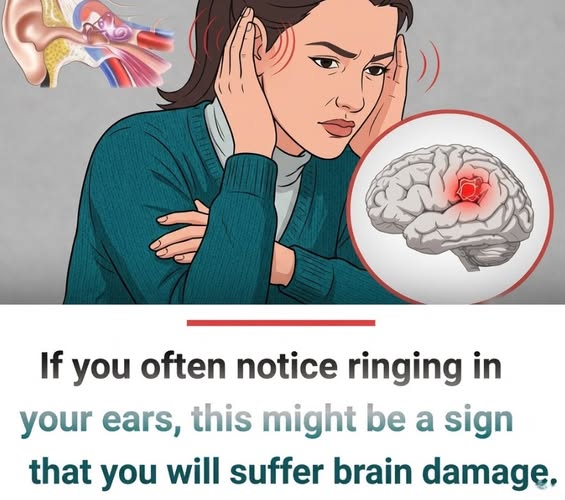
Ringing in the ears, known as tinnitus, is something many people experience at some point. While it can be unsettling, it’s important to understand that tinnitus isn’t a disease itself—it’s a symptom of an underlying issue. In most cases, it’s harmless and manageable, though persistent symptoms shouldn’t be ignored.
The most common causes are related to hearing. These include age-related hearing loss, exposure to loud noise, earwax buildup, or ear infections. Certain medications, along with stress or lack of sleep, can also play a role. Because of this, tinnitus is often linked to everyday factors rather than something serious.
There’s a lot of misleading information online that overstates the dangers of tinnitus, suggesting it signals severe or future illness. In reality, there’s no solid scientific evidence supporting those claims. Medical experts generally agree that while tinnitus can occasionally point to an underlying issue, it does not predict major health problems for most people.
That said, it’s wise to pay attention to your body. If the ringing becomes constant, worsens over time, or is accompanied by symptoms like hearing loss, dizziness, or pain, it’s a good idea to seek medical advice. In many cases, simple steps—like reducing noise exposure, managing stress, or addressing ear health—can significantly improve or even resolve the symptoms.
Leave a Reply