
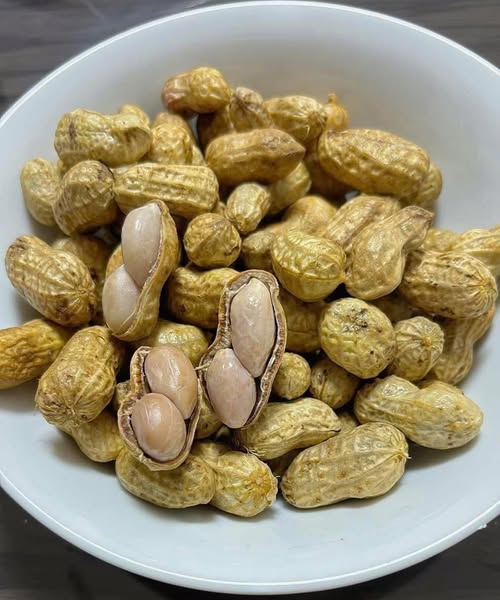
As people move beyond 60, simple dietary choices often make the biggest difference, and peanuts are a strong example. They are rich in heart-healthy monounsaturated and polyunsaturated fats, which may help maintain healthy cholesterol levels when they replace saturated fats. Their magnesium content also supports normal blood pressure and cardiovascular function, aligning with studies that associate moderate nut consumption with long-term heart health.
Peanuts can also contribute to brain function, blood sugar stability, and muscle maintenance. Nutrients like vitamin E and niacin help protect brain cells and support cognitive health, while their combination of protein, fiber, and healthy fats slows digestion and helps prevent sharp spikes and drops in energy. In addition, plant-based protein along with minerals such as magnesium and phosphorus supports the muscles and bones that naturally decline with age.
When eaten in moderation—especially in forms like unsalted, dry-roasted peanuts or natural peanut butter—peanuts can be a practical and nutrient-dense addition to the diet, supporting overall health and healthy aging.
Leave a Reply