
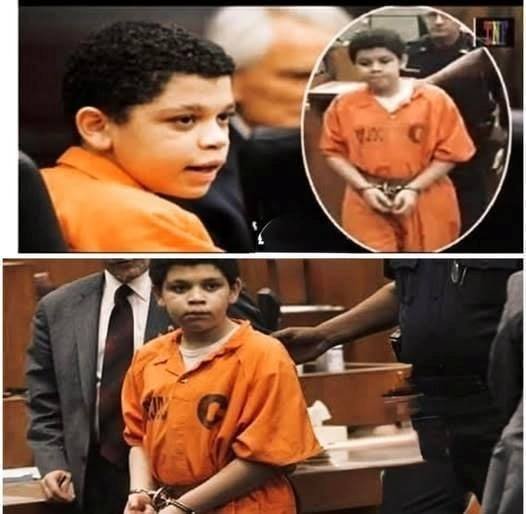
The cases reflected in these statistics differ significantly in nature. Some involve severe violent offenses, including homicide, while others relate to accomplice liability, where the minor did not directly commit the fatal act. Many of the young people affected come from environments shaped by poverty, instability, trauma, or limited access to support systems. Advocates point out that these background conditions, combined with scientific understanding that adolescent brain development is still ongoing, should play a meaningful role in sentencing decisions.
In the past decade, the U.S. Supreme Court has issued key rulings concerning life sentences for juveniles. In 2012, it determined that mandatory life without parole for minors is unconstitutional, and in 2016 it extended that ruling retroactively. This has led to the reexamination of many cases, though how these decisions are applied continues to differ from state to state. Ongoing legal discussions focus on how to balance accountability, public safety, and the possibility of rehabilitation.
Civil rights organizations and legal scholars continue to push for sentence reviews, restorative justice models, and broader access to parole opportunities. Their position is that justice systems must account for both the gravity of the crime and the capacity of young offenders to change over time. At the heart of the national debate remains a difficult question: how should society respond when children commit serious crimes, and what does true fairness demand in those situations?
Leave a Reply