
The global political climate has entered a more uncertain phase, shaped in part by a more assertive and less predictable U.S. foreign policy. Issues that once felt distant are now unfolding more visibly, contributing to a growing sense of instability across multiple regions.
One of the most closely watched flashpoints is the tension between the United States and Iran. While the situation has raised concerns about escalation in the Middle East, it exists alongside other geopolitical pressures in regions like the Arctic and Venezuela—highlighting a broader shift toward a more fragmented global order.
As these tensions gain attention, public anxiety has become more noticeable. Online searches related to “World War III” and military conscription have increased, reflecting widespread concern about the possibility of large-scale conflict.
At the same time, there has been confusion about the U.S. draft system.
The United States does not currently have an active military draft. It has operated as an all-volunteer force since 1973. However, the Selective Service System still exists as a contingency framework in case a national emergency requires rapid mobilization.
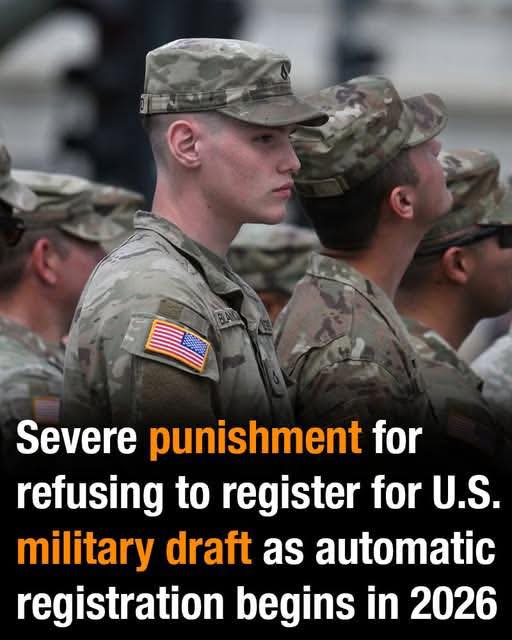
A significant administrative change is coming in 2026: eligible men will be automatically registered for Selective Service using federal data, rather than having to sign up themselves.
This change is designed to simplify the process and improve compliance—not to initiate a draft. Officials have emphasized that bringing back conscription would still require approval from Congress and the President, and there are currently no confirmed plans to do so.
Failure to register under the current system can carry penalties such as fines, legal consequences, or loss of federal benefits, though enforcement has historically been limited.
The Bigger Picture
What’s driving concern isn’t just policy—it’s uncertainty.
When global tensions rise and information spreads quickly online, speculation often fills the gaps left by incomplete facts. That’s why topics like war or a potential draft can feel more immediate than they actually are.
For now, the key facts remain:
- The U.S. military is still volunteer-based
- No draft is active or officially planned
- The 2026 change is administrative, not operational
Understanding that distinction helps separate real developments from amplified fears—and keeps the conversation grounded in what’s actually happening.
Leave a Reply