
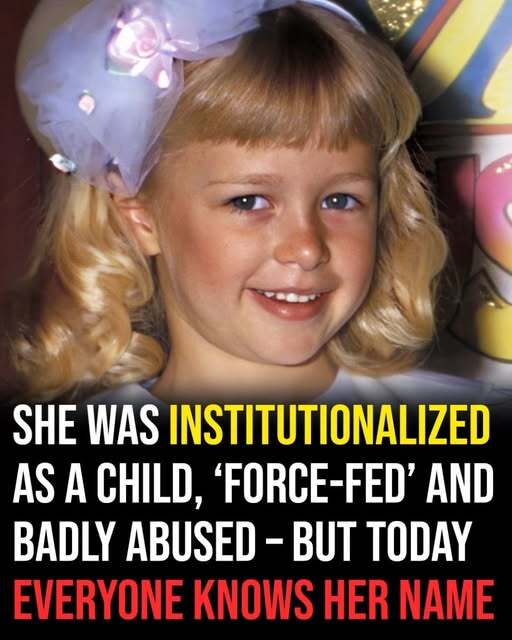
Before fame, headlines, and the global spotlight, Paris Hilton was a teenager who often felt controlled, unheard, and isolated within a system she had little power to challenge. To the public, she later became the face of early-2000s celebrity culture—the glamorous heiress, the party icon, the carefully crafted persona. But that image, as she has since explained, was only part of the story.
At 14, she was sent to a residential “troubled teen” program, an experience she has described as deeply traumatic. Over the years, she has spoken about emotional distress, lack of autonomy, and harsh conditions that left a lasting psychological impact. Even as her public fame grew, she carried that history privately, rarely acknowledging how much it shaped her sense of self.
As she built her career in entertainment and business, the persona she presented to the world also functioned as protection—separating the public image from the private experiences she had not yet fully addressed. Eventually, she chose to speak openly about her past, using her platform to bring attention to the broader “troubled teen” industry and its lack of oversight.
Her testimony before lawmakers helped spark wider public scrutiny, encouraging others to share similar experiences and pushing the issue into mainstream discussion. What began as one personal account became part of a larger conversation about reform and accountability.
Today, Paris Hilton is not only recognized as a global media figure and entrepreneur, but also as an advocate, wife, and mother who has reclaimed her narrative. By speaking about her past on her own terms, she has shifted the focus from image to impact—transforming private pain into public awareness and advocacy.
Leave a Reply