
The global landscape has entered a more volatile and unpredictable phase shaped by increasingly assertive U.S. foreign policy, transforming long-standing diplomatic tensions into higher-stakes confrontations. By 2026, several regional flashpoints have evolved from theoretical risks into active crises.
One of the most significant developments has been the escalation between the United States and Iran, marked by direct military strikes and retaliatory actions that have further destabilized the Middle East. At the same time, tensions continue to build in other strategic areas, including the Arctic—where disputes involving Greenland and NATO positioning have added new layers of geopolitical strain—as well as ongoing pressure in regions such as Venezuela.
Taken together, these developments reflect a world increasingly defined by fragmented conflicts and competing spheres of influence, drawing comparisons to earlier periods of intense geopolitical rivalry.
Amid growing concerns over global instability, online searches for terms such as “World War III” and “US draft rule and age” have surged, reflecting heightened public anxiety about potential military conscription.
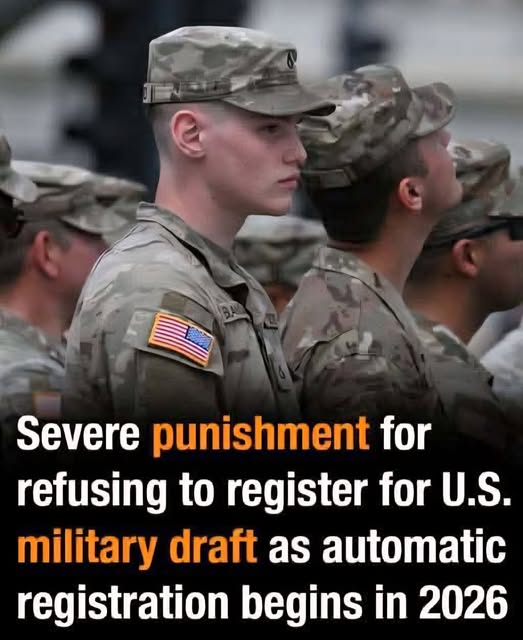
While the United States does not currently maintain an active military draft, the Selective Service System remains on standby under federal law, capable of being activated in a national emergency. Under a planned update expected in 2026, registration will become automatic for eligible individuals, eliminating the need for most men to sign up manually.
This change represents one of the most significant adjustments to the system in decades, streamlining registration through federal data integration. However, until the transition is fully implemented, individuals who turn 18 before the cutoff date are still required to register under the current rules, with failure to do so considered a federal offense.
According to official guidance, non-compliance can carry serious consequences, including fines, imprisonment, and loss of eligibility for certain federal benefits such as student aid and government employment.
While enforcement is historically rare, failure to register is still legally treated as a felony-level offense under federal law, with penalties that may include fines and potential jail time.
Because three generations of Americans have not experienced a draft, many young people are largely unfamiliar with Selective Service procedures and requirements.
Leave a Reply