
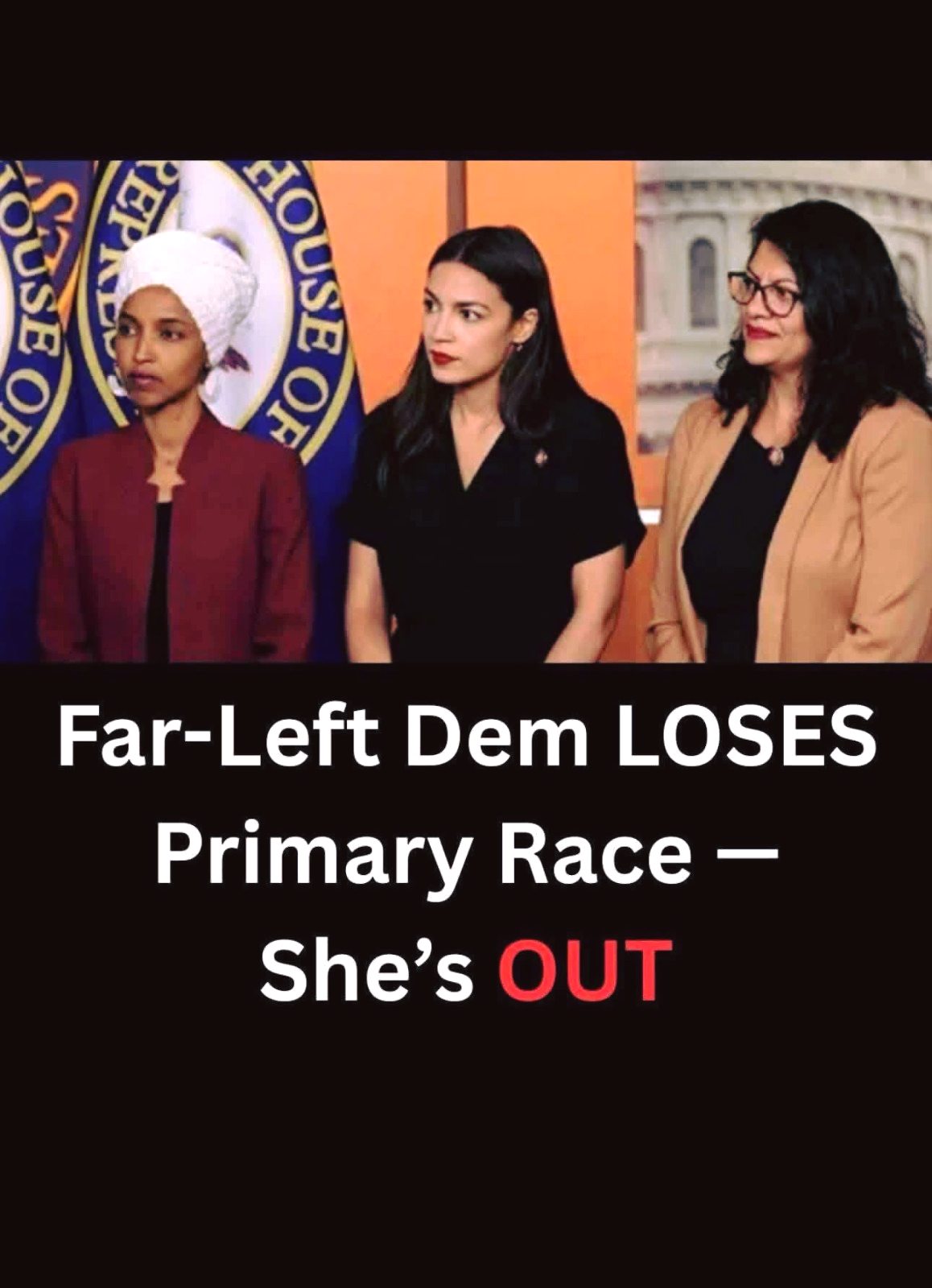
Progressive activists entered recent elections with a surge of optimism shaped by the digital era. Viral clips, emotionally powerful messaging, and massive online engagement created a sense that politics had found a new formula—one where attention could quickly translate into influence.
Campaigns leaned heavily into storytelling tailored for platforms like Instagram, TikTok, and X, where identity, relatability, and shareability drive visibility. Candidates who mastered this space were often seen as the future of political strategy.
One of the most visible examples was Deja Foxx. She built a national profile through advocacy and media presence, and her campaign reflected the energy of modern progressive movements. Her message centered on urgency, representation, and lived experience—especially for younger and marginalized communities. It was polished, accessible, and designed to resonate in a digital-first landscape.
For many observers, she represented a new kind of candidate: one who could blend activism with media fluency into a powerful political identity.
But elections test more than visibility.
In Arizona, Foxx was defeated by Adelita Grijalva—a candidate whose strength came from a very different foundation. Rather than relying on viral reach, Grijalva’s campaign was rooted in longstanding community ties and deep familiarity with local political dynamics.
As the daughter of Raúl Grijalva, she carried a recognized name—but more importantly, she had years of direct involvement in local governance and community work. Voters didn’t just know of her; they knew her.
That contrast reveals a key reality: online attention doesn’t automatically convert into votes. Familiarity, trust, and consistent presence often outweigh digital momentum when ballots are cast.
Foxx’s loss wasn’t necessarily a rejection of her ideas. Instead, it highlighted the limits of campaigns that prioritize narrative without equally strong local infrastructure. Behind every successful campaign are less visible elements—field operations, volunteer networks, door-to-door outreach, and sustained engagement within specific communities.
These don’t trend—but they win elections.
The Arizona race became a clear example of the gap between attention and organization. It showed how digital momentum can create the illusion of inevitability without securing actual electoral support.
At the same time, this outcome doesn’t signal a broader rejection of progressive ideas. Those messages continue to resonate widely. The lesson is more strategic: visibility must be matched with credibility built on the ground.
A contrasting example can be seen in the rise of Zohran Mamdani in New York City. His success followed a different path—one centered on grassroots organizing rather than viral exposure.
Mamdani focused on tenant advocacy, local issues, and direct engagement with residents. His campaign emphasized presence over performance, building trust through repeated, real-world interaction.
Instead of short bursts of attention, his momentum grew steadily—through conversations, community meetings, and long-term organizing.
Together, these examples point to a more balanced truth about modern politics: digital storytelling can open the door, but it’s sustained, local connection that ultimately carries candidates across the finish line.
Leave a Reply