
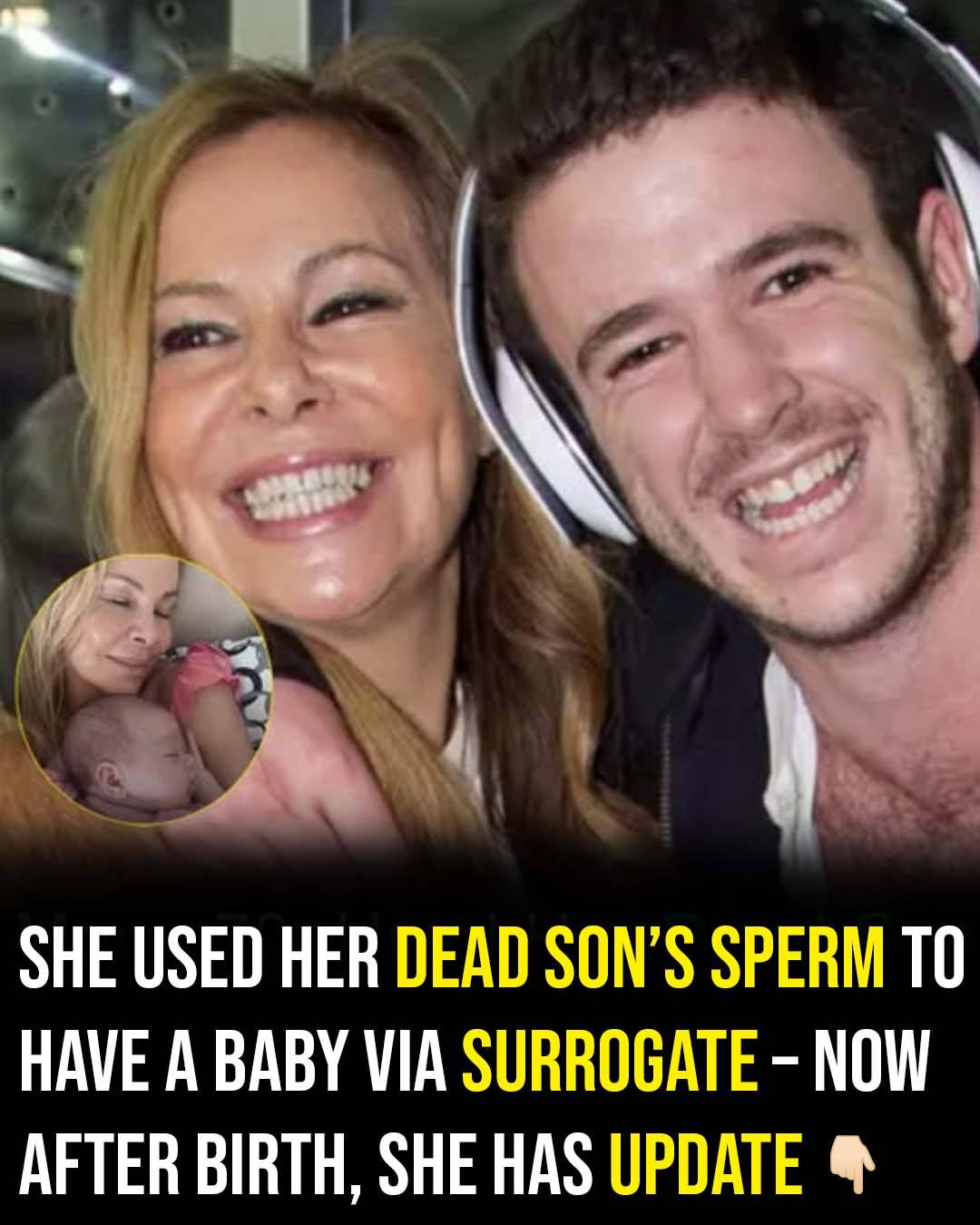
The story of Ana Obregón has sparked intense discussion, touching on grief, ethics, and the limits of modern reproductive technology.
After the death of her son, Aless Lequio, in 2022 following a battle with cancer, Obregón chose to move forward with surrogacy using his preserved sperm. The child born through this process is described by her as her granddaughter, and she has said the decision reflects her son’s wish to become a father.
For Obregón, the baby represents a continuation of her son’s legacy rather than a replacement for her loss. She has stated that she intends to raise the child with full knowledge of her father’s identity and story.
The decision has also raised legal and ethical debate, particularly since surrogacy is prohibited in Spain, requiring the process to take place abroad.
Public reaction has been deeply divided. Some view her choice as an expression of love and a way of coping with unimaginable grief, while others raise concerns about consent, ethical boundaries, and the long-term impact on the child.
Obregón has openly discussed the emotional devastation following her son’s death, saying she experienced a period of profound emptiness. The arrival of the child has given her a renewed sense of purpose, though it has not erased her grief.
The situation also brings practical considerations, including the demands of raising a young child later in life and the long-term responsibilities involved.
Overall, the case continues to prompt wider conversations about how grief, science, and ethics intersect in today’s world, where reproductive technology is expanding the boundaries of what was once considered possible.
Leave a Reply