
Today, Billy Joel continues to captivate audiences around the world, filling arenas with his signature voice and a collection of songs that have stood the test of time. Celebrated as one of the greatest songwriters in modern music, his work still resonates deeply with listeners across generations.
But behind the fame and recognition lies a past shaped by hardship, emotional complexity, and family struggles—far removed from the polished image often associated with his success.
Born on May 9, 1949, in New York City, Joel spent his early years in the Bronx before relocating to Long Island. He grew up alongside his cousin Judy, who was adopted by his parents and became like a sister to him.
His family carried a heavy history. His father, Howard Joel, had fled Nazi Germany during World War II, leaving behind both his homeland and the family business. Although he eventually rebuilt his life in America as an engineer, he rarely spoke about the trauma he had endured.
Growing up in a working-class Long Island community, Joel was surrounded by families who had also experienced displacement and loss. This environment quietly shaped his understanding of resilience and survival.
Music entered his life early. Encouraged by his mother, Rosalind, he began piano lessons at just four years old and quickly showed natural talent. Though he often resisted practicing, his mother’s persistence proved crucial in developing his skills.
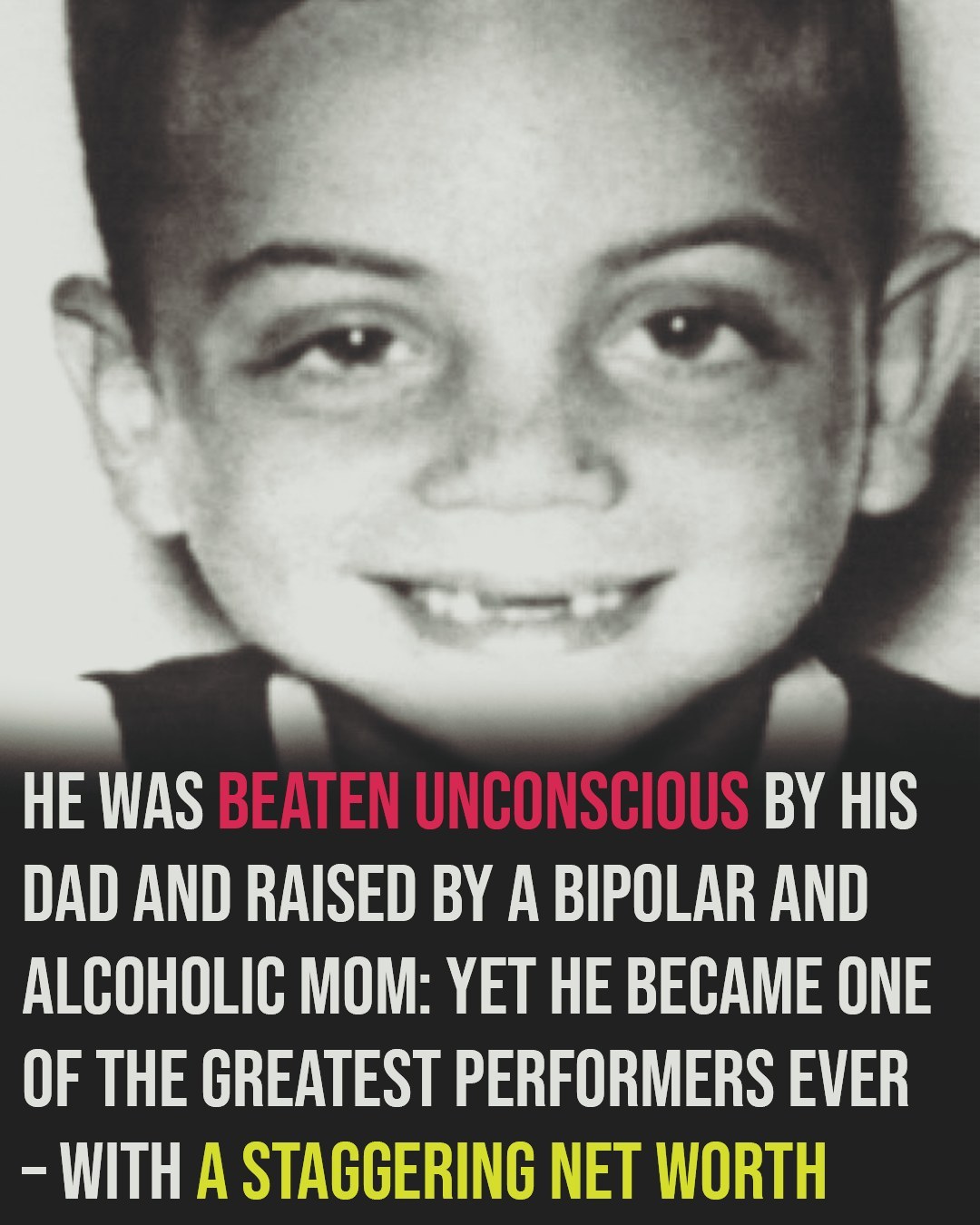
His relationship with his father, however, was distant and strained. While Howard was a capable pianist, he offered little emotional support. Joel has recalled moments of harsh discipline, including being struck for not following classical instruction properly—experiences that left a lasting mark.
Tension between his parents created an unstable home environment. When they eventually separated, Joel later admitted it brought a sense of relief amid the ongoing conflict.
After his father left, Joel and his sister were raised primarily by their mother, and financial difficulties soon followed. Without a steady provider, daily life became more challenging, and Joel often felt different from other children who had fathers at home.
Despite these struggles, Rosalind worked tirelessly to support her family. She was devoted and loving, but also emotionally complex. Joel has spoken about her loneliness and unpredictable behavior, which at times created a tense household atmosphere.
Her increasing reliance on alcohol added to that instability, forcing Joel and his sister to tread carefully around shifting moods. Still, he never questioned her love and has consistently credited her as his earliest and strongest supporter.
During these years, Joel developed a close bond with his sister. Together, they relied on one another for emotional strength, forming a connection that helped them endure their circumstances.
Music became his refuge. At the piano, Joel found a way to express emotions he couldn’t otherwise articulate. As he grew older, his passion deepened, blending classical training with rock, pop, and jazz influences to create a sound uniquely his own.
By the early 1970s, he had begun building a solo career. His breakthrough came with the release of Piano Man, whose title track painted vivid portraits of everyday people—an approach that would become central to his songwriting.
He followed with a string of successful albums, including The Stranger and 52nd Street, firmly establishing his place in music history. His songs, often rooted in personal experience, connected with audiences through their honesty and emotional depth.
Joel’s achievements include induction into the Songwriters Hall of Fame in 1992 and the Rock and Roll Hall of Fame in 1999.
Yet success did not shield him from personal difficulties. His relationships were often turbulent, with multiple marriages ending in emotional and financial strain. One early marriage, which also involved a professional partnership, became particularly difficult during a vulnerable period following a serious motorcycle accident.
In another case, a trusted manager—connected to his family—was found to have mishandled a large portion of his earnings, leading to legal battles. Joel has said that the betrayal hurt far more than the financial loss.
He also faced struggles with alcohol, using it as a coping mechanism during difficult times, especially after personal setbacks. The aftermath of the September 11 attacks deeply affected him, contributing to depression and increased drinking.
Recognizing the toll it was taking, Joel sought help and entered rehabilitation in the early 2000s. Over time, he made significant changes, eventually deciding in the early 2020s to stop drinking entirely—a turning point that allowed him to focus on his health.
In his personal life, he later found stability with his wife, Alexis Roderick, building a more grounded and fulfilling family life.
Even while continuing to perform, Joel began prioritizing balance between his career and personal well-being. His long-running residency at Madison Square Garden became one of the defining chapters of his later years.
In 2025, he revealed he had been diagnosed with Normal Pressure Hydrocephalus, a condition that can impact balance, vision, and cognitive function. As a result, he canceled scheduled performances to focus on treatment.
The news prompted an outpouring of support from fans and fellow artists. His daughter, Alexa Ray Joel, shared positive updates about his recovery, highlighting his dedication to physical therapy.
Joel himself remained optimistic, emphasizing that while the diagnosis sounded serious, he felt better than many might expect and remained hopeful about returning to the stage.
In early 2026, he surprised fans with an appearance alongside a tribute band in Florida, performing hits like “We Didn’t Start the Fire” and “Big Shot,” signaling that his passion for music remains strong.
These moments reassured audiences that he is not ready to step away. Instead, he continues to adapt, facing challenges with determination while staying connected to his craft.
Throughout his life, Joel has shown remarkable resilience. From a difficult childhood to global success—and through personal and health struggles—he has remained devoted to his art.
His journey is a testament to perseverance. The emotional honesty in his music reflects the complexity of his experiences and the lessons he has carried forward.
As fans look ahead to his possible full return to performing, his story stands as a powerful reminder: true artistry is shaped not only by talent, but by resilience, authenticity, and the strength to endure.
Leave a Reply