
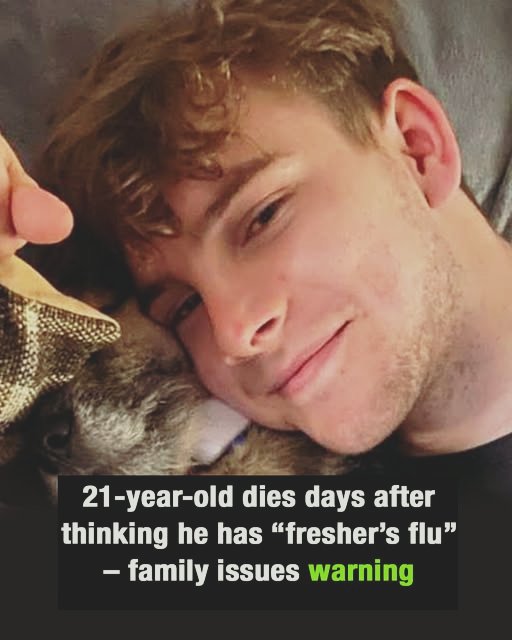
In September 2023, 21-year-old Lucas Martin began experiencing symptoms that seemed, at first, like a routine illness. Living in the United Kingdom after completing his studies at University of Liverpool, he had headaches, fever, and fatigue—symptoms many students would recognize and often dismiss as a seasonal bug or “freshers’ flu.”
At the time, neither Lucas nor his family believed the situation was serious. But over the following days, his condition didn’t improve. Instead, it worsened.
Within about five days, the shift became alarming. His family noticed changes in his behavior, including confusion and difficulty speaking—signs that something far more serious might be happening. He was taken to the hospital, where doctors diagnosed him with meningitis, a condition known for progressing rapidly and requiring urgent care.
Despite intensive treatment, including being placed in an induced coma, Lucas’s condition remained critical. He passed away on September 12, just days after his first symptoms appeared.
His story highlights a difficult reality: meningitis can initially resemble a common illness. In Lucas’s case, some widely recognized warning signs—such as sensitivity to light or a rash—were not present, making early detection even more challenging.
After his passing, his family, including his brother Connor, spoke openly about how quickly everything changed. They reflected on how easy it is to mistake early symptoms for something minor, especially for students accustomed to pushing through illness.
In response, they have worked to raise awareness and encourage others to take worsening symptoms seriously. One initiative created in his memory, Looky’s Aid, focuses on supporting young people and promoting awareness of serious health conditions.
The message they continue to share is simple but urgent: if symptoms escalate or feel unusual, it’s better to seek medical attention early rather than assume it’s nothing.
Leave a Reply