
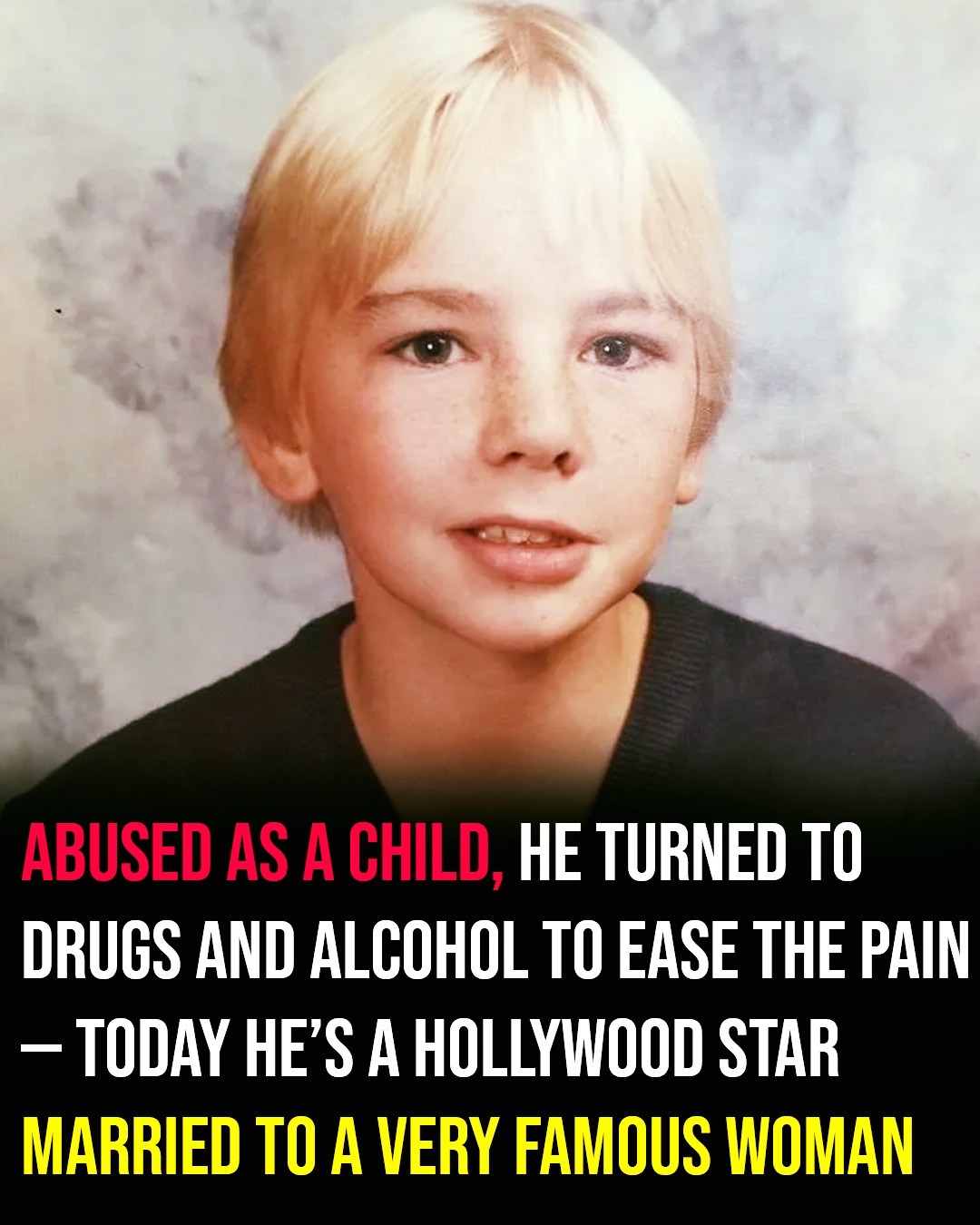
Long before fame, his life was marked by pain he didn’t yet have the words to understand. His parents divorced when he was just three, and by seven, he had endured abuse that would shape the way he saw himself for years to come. He carried that secret in silence, blaming himself, trying to make sense of something no child should ever have to face. As he grew older, the weight of it all pushed him toward drugs and alcohol—an attempt to quiet what never really left.
Born on January 2, 1975, in Ypsilanti, Michigan, Dax Shepard came from modest beginnings. His mother worked her way up from a night-shift janitor at General Motors to owning multiple businesses—a determination that left a lasting impression on him. As a teenager, he traveled with her from racetrack to racetrack, learning firsthand what resilience looked like.
His path into entertainment wasn’t immediate. After attending Santa Monica College, he found his way to Los Angeles, where a friend introduced him to The Groundlings. What started as curiosity turned into commitment, and after years of training, he began building a career in comedy. He gained wider recognition through shows like Punk’d alongside Ashton Kutcher, and gradually moved into film roles, including Without a Paddle and Baby Mama.
But it was a smaller role in When in Rome that changed his life in a way no career milestone ever could. There, he met Kristen Bell—the woman who would become his partner. Their relationship wasn’t without struggle. His past, his addiction, and his doubts about himself tested their bond early on. But over time, honesty and persistence became the foundation they built on.
Shepard has been open about his battles with substance abuse, including a relapse after 16 years of sobriety. Rather than hide it, he chose to speak about it—publicly and with his family—showing that recovery isn’t a straight line, but a continuous choice.
Today, his story isn’t just about success in Hollywood. It’s about survival, accountability, and growth. From a childhood marked by silence and pain to a life built on openness and connection, he stands as proof that the past may shape you—but it doesn’t have to define where you end up.
Leave a Reply