
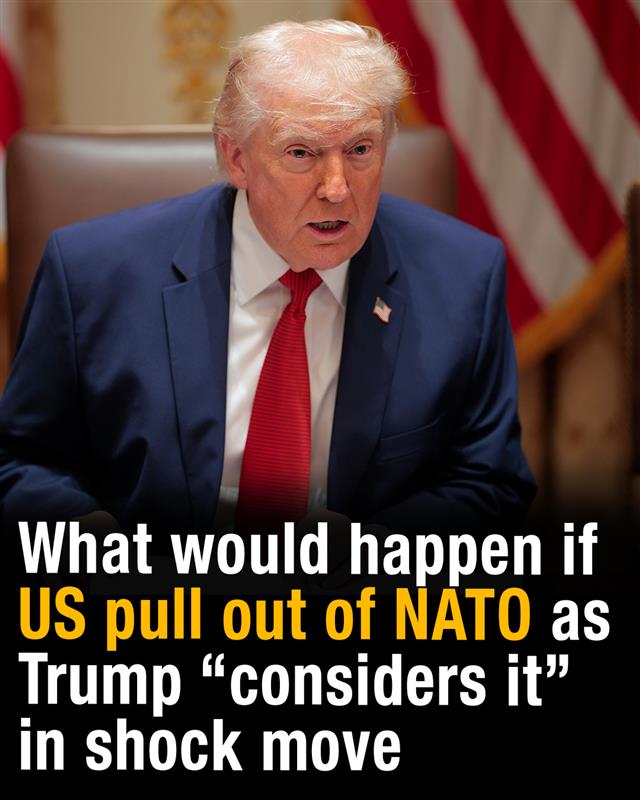
If the United States were ever to step back from NATO in a meaningful way, the impact wouldn’t stop at policy circles in Washington or meeting rooms in Brussels—it would reverberate across the global order. Decades of shared defense planning, mutual commitments, and strategic trust built since 1949 would suddenly feel uncertain. Competitors would likely push boundaries, testing how far they could go in a world where American backing seemed less assured. Meanwhile, longtime allies could feel compelled to rethink their security—boosting their own militaries, forming new alliances, or hedging between rival powers.
Domestically, the consequences would run deeper than official strategies can fully capture. Even if a formal withdrawal proved difficult, repeated signals of disengagement could erode confidence in the alliance, weakening the sense of reliability behind NATO’s collective defense pledge. The United States would still possess immense strength, but it might find itself operating with fewer partners—taking on greater costs, facing higher risks, and navigating crises with less support. In that kind of landscape, even the most powerful nation could begin to feel the strain of standing more on its own.
Leave a Reply