
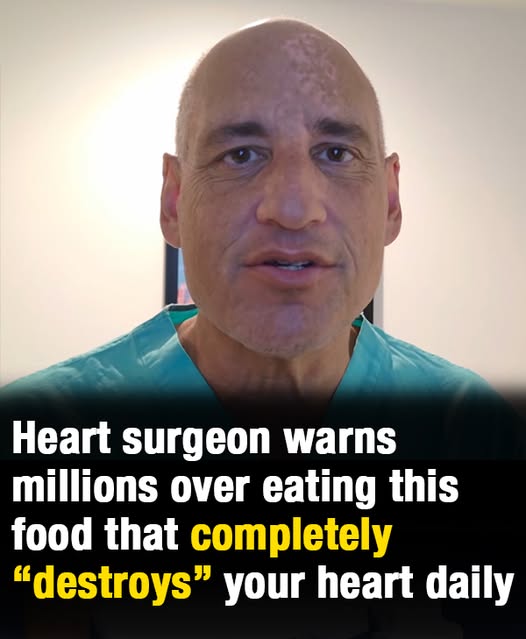
For decades, public discourse about heart disease—the leading cause of death in the United States—has been dominated by a familiar narrative. Salt, red meat, and saturated fats have been cast as the villains, while we obsess over cholesterol levels, step counts, and genetic markers. Yet in the midst of this dietary panic, a far subtler threat has been hiding in plain sight: refined carbohydrates. According to veteran heart surgeon Dr. Philip Ovadia, these seemingly harmless staples may be quietly destroying millions of hearts.
Dr. Ovadia has spent years witnessing the devastating effects of heart disease firsthand. He argues that while fats have long been demonized, refined carbs are the real silent killers of modern diets. In the United States alone, heart disease claimed over 600,000 lives in 2024. Genetics, exercise, and sleep matter—but diet, Dr. Ovadia insists, remains the most powerful—and most misunderstood—lifestyle factor.
Refined carbohydrates wreak havoc on the body through complex metabolic disruption. They trigger rapid spikes in blood sugar, forcing the pancreas to overproduce insulin, and over time, create a chronic, low-level inflammatory state. This inflammation is the key driver of dangerous arterial plaque—the soft, unstable buildup that can rupture without warning and cause heart attacks.
In the operating room, Dr. Ovadia frequently sees the result of this dietary misstep: arteries clogged with volatile plaque fueled by years of high-refined-carb intake. For decades, the medical advice has been misguided: patients were warned against butter but encouraged to eat “heart-healthy” whole-wheat bread, rice cakes, and low-fat granola—all foods that can promote inflammation and plaque formation.
What makes refined carbs so insidious is their marketing. “Low-fat” labels and “healthy” claims create a false sense of security, while foods like flavored yogurt, fruit juices, bagels, crackers, and breakfast cereals quietly spike blood sugar and damage cardiovascular health. Even foods we consider staples—whole-wheat bread, rice cakes, instant oatmeal—can have the same inflammatory effects as white bread.
Dr. Ovadia’s advice is straightforward: return to nutrient-dense, minimally processed foods. Focus on clean protein sources, heart-healthy fats, and whole vegetables—essentially, the pillars of the Mediterranean diet. Fresh fish, legumes, olive oil, nuts, seeds, and high-fiber vegetables help reduce systemic inflammation, protect arteries, and lower the risk of plaque buildup.
This is not about calorie counting or aesthetics. It’s about addressing the root cause of chronic illnesses and making informed decisions at every grocery store aisle. Food is more than fuel—it’s information for the body, dictating whether we repair or inflame, strengthen or weaken.
Dr. Ovadia’s warning is clear: the “healthy” snacks you trust may be quietly undermining your heart. To truly protect cardiovascular health, it’s time to stop blaming butter and start questioning the bagel. Choosing whole, minimally processed foods over refined carbohydrates can transform your heart health and your future.
The choice is ours: to fall into the refined trap—or to embrace a diet that supports long-term heart wellness. With the right information and conscious choices, we can reclaim our health, one meal at a time.
Leave a Reply