
In a single night, the long-standing ambiguity surrounding Iran’s nuclear ambitions was shattered. By striking Fordo and two other nuclear facilities, Washington discarded the belief that diplomacy and delay alone could restrain Tehran’s program. The operation was not merely military—it was deeply symbolic, a message etched into stone and uranium declaring that the era of “managed tension” had ended. Iran’s furious invocation of Article 51 was more than legal rhetoric; it was a veiled warning that retaliation could emerge through mined shipping lanes in the Strait of Hormuz, proxy missile fire across forgotten deserts, or cyberattacks designed to leave no fingerprints behind.
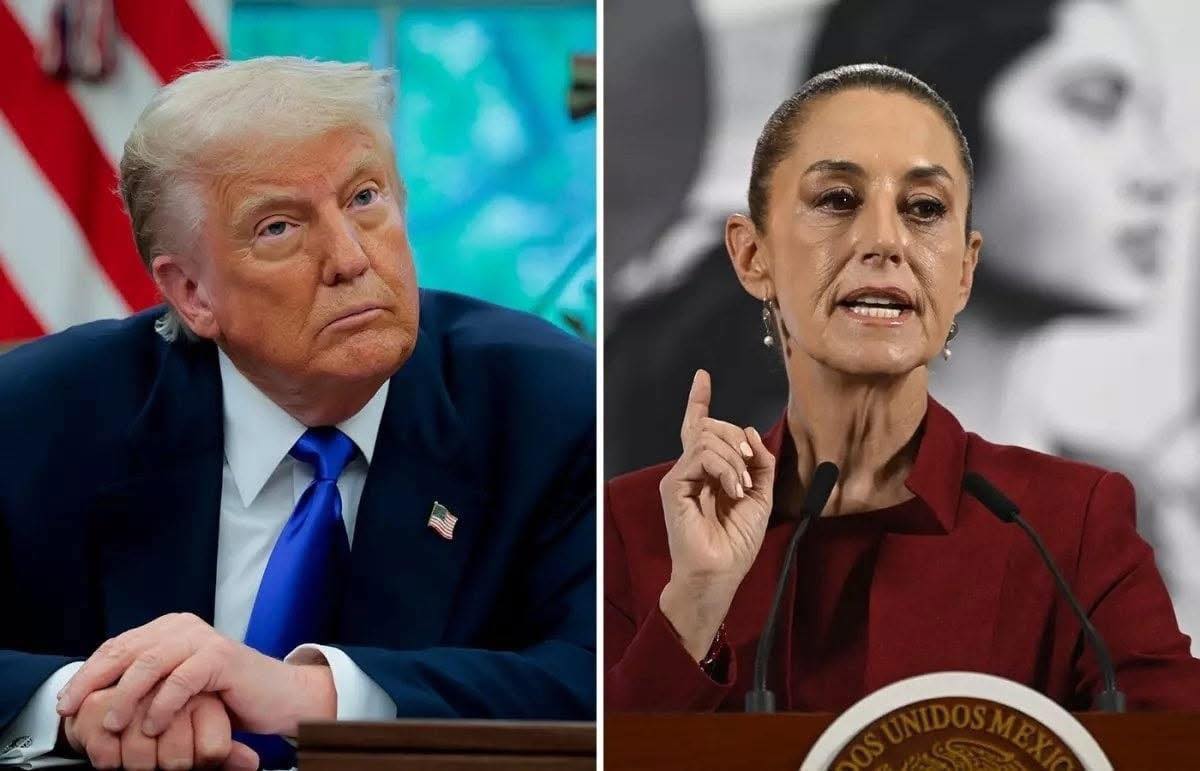
Beyond the immediate danger of escalation, a quieter geopolitical realignment is already unfolding. Middle powers such as Mexico, publicly defending principles of non-interference, are in reality safeguarding economic stability in a world where a single miscalculation can send oil prices soaring overnight. Meanwhile, the IAEA now confronts smoking ruins instead of monitored centrifuges, its authority weakened alongside the destruction of the sites it once inspected. At the United Nations, familiar appeals for restraint conceal a deeper anxiety: that the traditional frameworks of sovereignty, deterrence, and verification are giving way to a harsher global order in which the side that acts first shapes the future. Whether this night becomes the prelude to uneasy peace or the opening act of a generational conflict will depend less on public speeches than on the silent decisions made behind closed doors before dawn.
Leave a Reply