
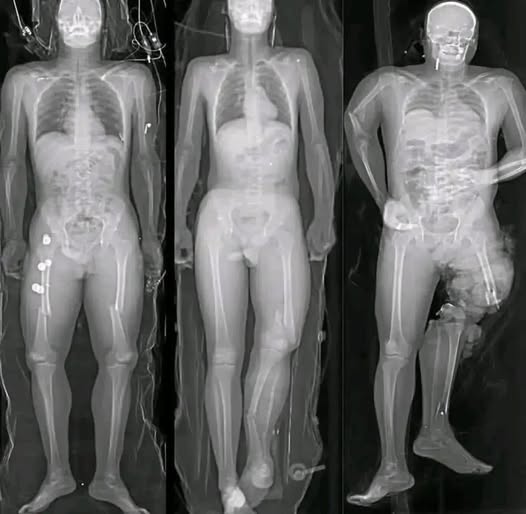
For many people, messages like these can bring back anxiety and uncertainty from the pandemic period. Even though daily life has largely returned to normal, concerns about past health decisions can still make people more susceptible to misleading information online.
These viral posts are often designed to capture attention by triggering fear. Visuals such as a syringe aimed at a heart can immediately create a sense of danger before the viewer even processes the accompanying text.
Experts note that emotionally charged content tends to spread quickly on social media because platforms often prioritize engagement—likes, shares, and comments—over accuracy. This allows sensational claims to circulate faster than fact-based explanations.
Another factor behind their spread is the use of real medical terms or conditions, such as myocarditis, without proper context. Rare side effects may be presented in a way that makes them seem far more common than they are in reality.
By omitting key details and statistical context, these posts can create a distorted perception of risk. Readers may come away with the impression of a widespread threat, even when scientific evidence does not support that conclusion.
Health professionals emphasize the importance of distinguishing between isolated reports and broader, well-established patterns. Medical conclusions are based on large-scale studies and careful analysis, not isolated anecdotes or emotionally striking imagery.
In today’s digital environment, recognizing exaggeration and misinformation is increasingly important. Taking the time to verify claims through trusted medical and scientific sources can help reduce unnecessary fear and support more informed health decisions.
Leave a Reply