
Bullying in the digital age has become one of the most troubling issues of modern society, especially as social media continues to expand and connect people across the world. While these platforms were designed to bring people together and encourage communication, they have also created spaces where harmful behavior can spread quickly. One of the most damaging aspects is the ability for individuals to hide behind anonymity while targeting others with cruel or hurtful comments.
As a result, online harassment has become increasingly common, affecting people from all walks of life. The emotional impact can be severe and long-lasting, particularly for those who are unfairly targeted. Melissa Blake, a writer and disability advocate, experienced this firsthand after becoming the focus of online abuse. She lives with Freeman-Sheldon syndrome, a rare condition that affects facial structure as well as the hands and feet. Despite this, she has built a successful career as a writer and contributed to major outlets, including CNN.
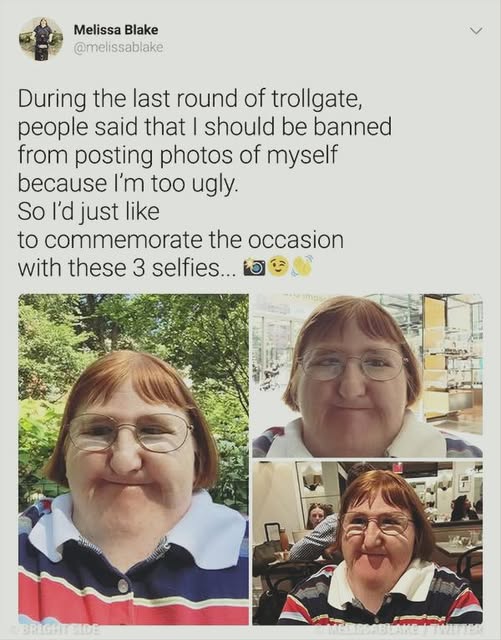
Her experience took a painful turn after one of her articles was published in 2019. A YouTuber shared her photo, which quickly led to a flood of hurtful comments from strangers online. Instead of engaging with her work or ideas, many people chose to attack her appearance. As the post spread, the volume of derogatory remarks grew rapidly, with some users making deeply offensive comparisons and others suggesting she should not post photos of herself at all.
Like many in similar situations, Melissa initially felt the emotional weight of the sudden negativity. The incident highlighted how easily online discussions can become harmful when people forget the real human being behind the screen. It also exposed how disability can be misunderstood and unfairly judged in digital spaces.
Rather than withdrawing, Melissa chose to respond with strength. She addressed the criticism directly and began sharing selfies proudly on social media, refusing to be shamed into silence. What started as a response soon grew into a powerful act of self-expression: she began posting a selfie every day.
Each photo reflected her personality and individuality, reinforcing the message that her worth was not defined by others’ opinions or narrow beauty standards. Over time, her consistency helped shift the conversation away from cruelty and toward confidence, authenticity, and self-acceptance. Her audience grew as more people were inspired by her courage and openness.
Alongside her posts, Melissa used her platform to raise awareness about disability representation and the importance of visibility. She spoke about how people with disabilities are often misrepresented and emphasized the need to challenge outdated perceptions. Her message centered on dignity, inclusion, and the right to be seen without judgment.
Her daily selfies became more than personal posts—they became acts of resistance. They challenged a culture that often reduces disabled individuals to stereotypes and instead highlighted full, complex human identity. Through this, she encouraged others to rethink how they view disability and difference.
Support for Melissa quickly grew. Many people around the world praised her resilience and shared messages of solidarity. Her story resonated with those who had experienced similar forms of online negativity, serving as a reminder that cruelty does not define a person’s value.
Beyond individual reactions, her experience also sparked broader discussions about online behavior, accountability, and the responsibilities of social media platforms. It highlighted the challenges of anonymity and the need for more respectful digital communities.
Over time, Melissa’s journey became a symbol of empowerment. By continuing to show up and share her life unapologetically, she demonstrated that visibility itself can be a powerful response to hate. Today, she is recognized not only for her writing but also for her advocacy and resilience.
Her story continues to inspire conversations about kindness, respect, and the importance of treating others with humanity—both online and offline.
Leave a Reply