
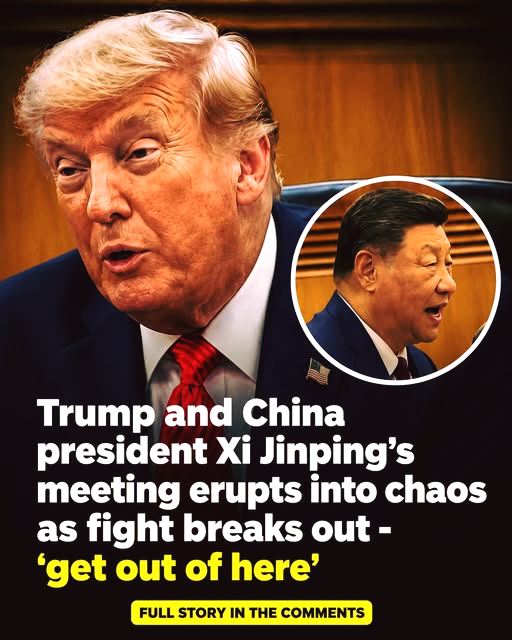
High-level diplomatic meetings between major global powers are typically tightly controlled, where every word and gesture follows strict protocol. Behind closed doors, however, these discussions are far more complex than formal appearances suggest, shaped by long-standing geopolitical rivalry, economic ties, and security concerns. When the United States and China meet, the stakes are especially high given their roles as the world’s two largest economic and strategic powers.
These encounters are closely monitored by global markets, governments, and media outlets, where even subtle shifts in tone can influence international perceptions. While outcomes are often presented as orderly and cooperative, underlying tensions frequently reflect deeper structural disagreements.
The contrast in leadership styles also plays a role. U.S. diplomacy under Donald Trump has often emphasized direct negotiation and deal-making language, while Xi Jinping’s approach is more centralized and long-term in focus, prioritizing stability, sovereignty, and strategic planning. When these styles meet, negotiations extend beyond policy into broader differences in worldview.
Key issues such as trade, technology restrictions, military presence in the Asia-Pacific, and Taiwan regularly dominate discussions. These topics remain highly sensitive, with even minor wording differences in joint statements carrying diplomatic weight. As a result, much of the real negotiation happens privately, away from public view.
Despite tensions, both countries maintain significant economic interdependence, with deep trade and investment ties that make cooperation necessary in areas like climate change, global health, and financial stability. This creates a relationship defined by both competition and cooperation at the same time.
Public interpretation of these meetings often amplifies symbolic moments, while actual negotiations tend to be more technical and incremental. Still, each interaction carries importance as both sides signal priorities and test boundaries within an ongoing and evolving global rivalry.
Ultimately, U.S.–China meetings are less about immediate breakthroughs and more about managing a long-term, complex relationship in a highly interconnected world.
Leave a Reply