
Sleep is one of the body’s most important biological functions, yet the position we sleep in is often ignored. Most people focus on sleep duration, while paying less attention to how posture during sleep may affect breathing, digestion, muscle relaxation, and overall rest. In reality, there is no single “perfect” sleeping position that suits everyone. What works best depends on individual comfort, body structure, and health factors.
Different sleep positions interact with the body in different ways. Gravity can influence circulation, spinal alignment, and airway openness depending on whether a person sleeps on their side, back, or stomach. Because of this, sleep posture is not about strict rules but about how the body feels and responds over time. Small adjustments can often improve sleep quality without needing dramatic changes.
Left-side sleeping and its commonly discussed effects
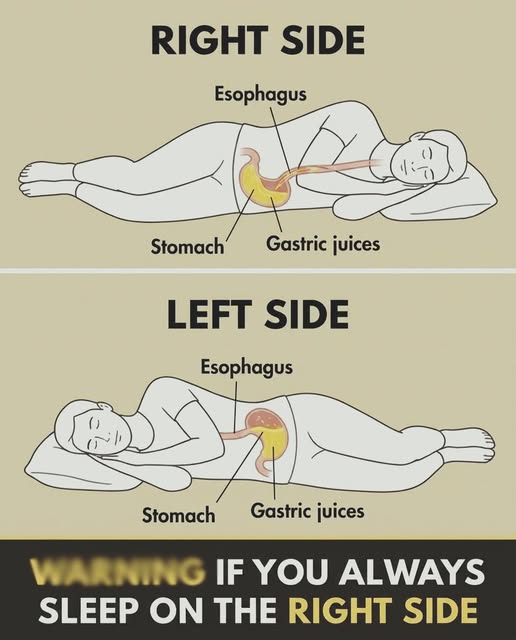
Sleeping on the left side is often linked with digestive comfort. In this position, the stomach and intestines may be positioned in a way that supports natural movement of digestion with the help of gravity. Some people notice reduced bloating or a more comfortable feeling after late meals when resting this way.
Side sleeping in general can also help reduce pressure on the spine when properly supported. Using a pillow between the knees can help keep the hips aligned, while a good head pillow supports the neck and helps maintain a neutral spine position during the night.
That said, left-side sleeping is not ideal for everyone. Some individuals may experience shoulder pressure, arm numbness, or discomfort if they stay in one position too long. Alternating sides during sleep can help distribute pressure more evenly.
Right-side sleeping and personal comfort
Right-side sleeping is just as natural as left-side sleeping for many people. It often comes down to personal preference and comfort. Some individuals feel more relaxed on their right side, especially if the opposite side causes pressure or discomfort.
There is no strong evidence that one side is universally better for everyone. The body’s musculoskeletal system adapts differently from person to person, so comfort and existing physical conditions play a major role in determining the best position.
What matters most in side sleeping is proper alignment. If the spine, neck, and hips remain supported and relaxed, both right and left side sleeping can be beneficial for restful sleep.
Back sleeping and alignment
Sleeping on the back is often associated with better spinal alignment, as it allows the head, neck, and spine to rest in a more neutral position when properly supported. For some people, this can reduce twisting or uneven pressure on the body.
However, back sleeping is not suitable for everyone. It may contribute to snoring or breathing discomfort in some individuals due to airway positioning. Others may simply find it harder to relax in this posture.
Support is essential if sleeping on the back. A pillow that supports the natural curve of the neck and a mattress that evenly distributes weight can greatly improve comfort.
Why sleep position is only part of the picture
Sleep posture is just one factor influencing sleep quality. Daily habits, stress levels, sleep environment, and overall health are equally important. Even an ideal sleeping position cannot fully compensate for poor sleep routines or an uncomfortable environment.
Most people naturally change positions throughout the night without realizing it. These movements help relieve pressure points and support circulation, making sleep a dynamic rather than fixed process.
Because of this, there is no need to obsess over finding a single perfect position. What matters more is consistent comfort and uninterrupted rest.
Understanding your best position
Instead of following strict rules, it is more useful to observe how your body feels after sleep. If you wake up feeling rested and without pain or stiffness, your current position is likely working well.
Frequent discomfort, shoulder pain, or restless sleep may indicate that adjustments are needed—either in position, pillow support, or mattress quality. Over time, your body provides the best feedback about what works.
The importance of sleep environment
Comfort during sleep is closely tied to external support. Pillows, mattresses, and bedding all play a role in maintaining proper alignment. Side sleepers often benefit from knee support, while back sleepers may need extra neck support.
Mattress firmness is also important. Too soft can lead to poor alignment, while too firm can create pressure points. The goal is balanced support that allows the spine to stay naturally aligned.
Room conditions such as temperature, darkness, and noise levels also significantly affect sleep quality and how well the body maintains a relaxed position.
Final takeaway
There is no universal best sleeping position. Left side, right side, and back sleeping can all be effective depending on the individual.
Rather than focusing on strict rules, it is more practical to pay attention to comfort and how your body responds over time. Often, small adjustments in support and environment make a bigger difference than changing sleep position entirely.
Ultimately, quality sleep is not defined by position alone, but by how well the body relaxes, recovers, and feels upon waking.
Leave a Reply