
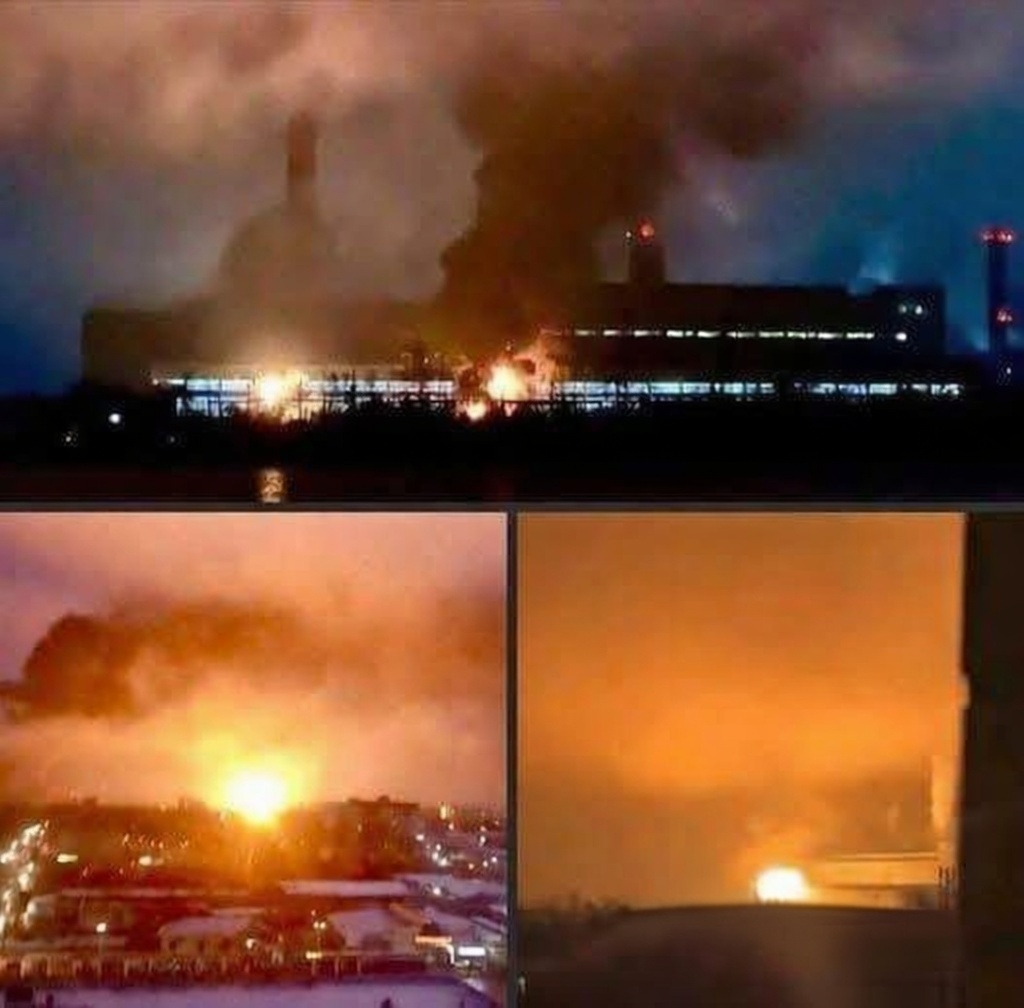
Most of the alerts we receive today are meant to inform, not alarm. Governments and global organizations regularly issue notices for routine purposes—emergency preparedness drills, weather tracking, infrastructure testing, or regional advisories. When something is labeled “precautionary,” it usually means “stay aware,” not “danger is imminent.”
The challenge in 2026 isn’t the alerts themselves—it’s how we experience them. Constant notifications, rapid-fire news cycles, and social media amplification can turn even minor updates into something that feels urgent or threatening. Context gets lost, and emotion fills the gap.
What increases the real risk is the speed at which speculation spreads. A straightforward notice can quickly be reframed online as evidence of a crisis, gaining traction before accurate information has time to catch up.
A better approach is steady and intentional: check reliable, official sources, follow any clear instructions if they’re given, and avoid getting pulled into dramatic interpretations. In most cases, these alerts aren’t warnings of disaster—they’re simple prompts to stay informed, prepared, and level-headed while the noise builds around them.
Leave a Reply