
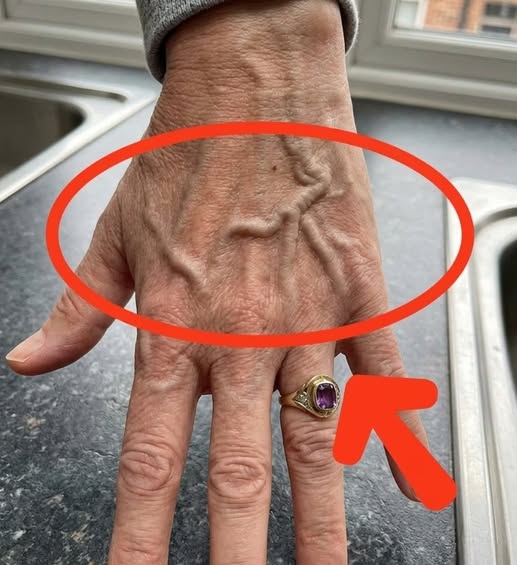
Veins lie close to the skin’s surface, so changes in body composition, hydration levels, temperature, hormones, and aging can all influence how visible they appear. People with lower body fat, those who exercise regularly, or anyone exposed to heat may notice more prominent veins simply because blood vessels expand and the skin becomes slightly thinner or more transparent over time. Genetics and natural skin tone also play a role, which is why some individuals have visible veins even when they’re completely healthy.
It becomes more important to pay attention when vein appearance changes suddenly or is accompanied by discomfort. Symptoms such as pain, swelling, warmth, redness, or a feeling of heaviness can sometimes point to underlying issues like varicose veins, chronic venous insufficiency, superficial vein inflammation, or in rarer cases, blood clots. These signs shouldn’t be ignored, especially if they develop quickly or worsen.
In most cases, supporting circulation through regular movement, staying hydrated, maintaining a healthy weight, and using compression when recommended can help. When symptoms persist or affect daily comfort, medical evaluation can provide clearer answers and treatment options.
Leave a Reply