
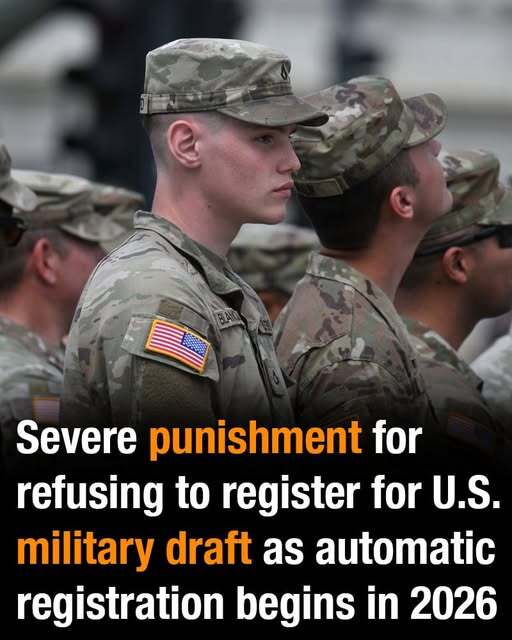
There’s growing discussion online about changes to how the U.S. Selective Service System could operate in the coming years, and not everyone is clear on what’s confirmed versus what’s speculation.
A system in transition
The Selective Service System currently still relies on individuals—mainly men turning 18—to register themselves. This process is required under federal law, and failure to register can carry consequences, including ineligibility for federal student aid, certain government jobs, and potential legal penalties, though prosecutions are rare.
At the same time, there have been ongoing discussions in policy and administrative circles about modernizing government records systems. One idea often mentioned is improving compliance through automated data matching with agencies like the Social Security Administration. However, this type of integration is gradual, not an immediate nationwide switch, and no fully implemented “automatic draft enrollment system” has been officially rolled out.
What is actually changing
For now, any transition toward automation would still be in development phases and subject to legislation, funding, and implementation timelines. That means the current rules remain in effect: eligible individuals are responsible for registering themselves on time.
This overlap between an existing manual system and potential future digital upgrades can create confusion, especially for younger people entering adulthood. But claims of an immediate, silent nationwide automatic draft change are not supported by confirmed policy.
Why compliance still matters
Regardless of future updates, failing to register with Selective Service under current law can still lead to real consequences, including loss of access to federal financial aid and restrictions on certain forms of employment.
The bigger picture
The broader conversation is really about how governments modernize civic systems—balancing efficiency, privacy, and individual responsibility. Any shift toward automation would likely happen gradually and remain publicly debated, rather than appearing suddenly or secretly.
Bottom line
The Selective Service system is still in its traditional structure today. While modernization ideas exist, they should not be confused with an immediate or fully automatic nationwide draft process.
Leave a Reply