
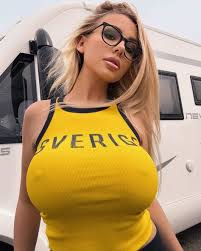
In today’s world, body image is talked about more than ever—but some topics still get reduced to stereotypes. One of them is the experience of women with larger breasts.
From social media to film, fuller chests are often framed in a narrow way—linked to confidence, attention, or desirability. But real life is far more layered than those portrayals suggest.
The Gap Between Perception and Reality
For years, larger breasts have been associated with:
- Femininity
- Attractiveness
- Confidence
But those assumptions don’t always reflect lived experience. What’s seen from the outside often misses what it actually feels like day to day.
Confidence Isn’t About Body Type
One of the biggest misconceptions is that a certain body shape automatically brings confidence.
In reality:
- Some women feel empowered and comfortable
- Others feel self-conscious or overly visible
Confidence isn’t tied to size—it’s shaped by personal comfort, environment, and self-perception.
Everyday Challenges That Get Overlooked
1. Physical Strain
Back pain, shoulder pressure, and neck tension are common but often under-discussed realities.
2. Clothing Frustrations
Finding well-fitting clothes can be difficult—what fits one area may not fit another, making everyday dressing more complicated than it seems.
3. Unwanted Attention
Staring, comments, and assumptions can create discomfort and affect how safe or relaxed someone feels in public.
4. Movement and Activity
Exercise can require extra support and planning, especially for high-impact activities.
Society’s Pressure vs. Personal Choice
There’s constant messaging about what bodies “should” look like. Some feel pressure to change, hide, or enhance parts of themselves—but trends rarely lead to lasting confidence.
Every body type comes with its own mix of advantages and challenges.
A Shift Toward Body Awareness
More people are moving away from appearance-focused thinking and toward how their bodies actually feel.
That includes:
- Speaking openly about discomfort
- Prioritizing comfort and health
- Letting go of unrealistic expectations
Health Comes First
For some, larger breasts can lead to medical decisions—not for appearance, but for well-being.
This might include:
- Posture support or physical therapy
- Lifestyle adjustments
- In some cases, reduction surgery
The key point: these choices are about comfort, not conformity.
Breaking the Stereotypes
Body type doesn’t define:
- Personality
- Intelligence
- Character
Yet assumptions persist. Challenging them starts with understanding the full picture—not just what’s visible.
Final Thought
What people often see is attention or attractiveness.
What they don’t always see is the complexity behind it—physical, emotional, and social.
At the end of the day, confidence isn’t about fitting an image.
It’s about feeling at ease in your own body—and that looks different for everyone.
Leave a Reply