
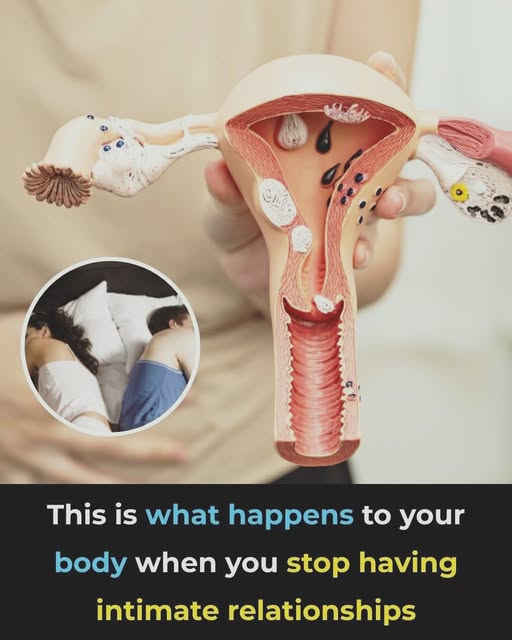
Sex is widely recognized in both medical and psychological research as a natural aspect of human life. When practiced safely, consensually, and within a healthy context, it may support both physical and emotional well-being. At the same time, its effects are influenced by many factors such as stress, lifestyle, relationship quality, mental health, and overall physical condition. For this reason, researchers have studied not only the potential benefits of sexual activity but also what may occur during periods of abstinence.
One of the most frequently discussed areas is stress regulation. Studies suggest that sexual activity can temporarily lower stress-related hormones like cortisol while increasing chemicals linked to pleasure and bonding, such as dopamine and oxytocin. These shifts may contribute to relaxation and improved mood for some people. However, stress management is not dependent on sexual activity alone, as exercise, sleep, mindfulness, and social support also play major roles.
When a person goes through a period without sexual activity, the body does not stop functioning or “adjust incorrectly.” Instead, it adapts naturally. Libido is not a constant drive; it fluctuates depending on emotional state, energy levels, hormones, relationship status, and psychological well-being. Many individuals experience stable functioning during abstinence, with desire either remaining steady or changing temporarily based on personal circumstances.
Some physical changes are sometimes discussed, particularly in relation to genital comfort and responsiveness. For example, vaginal tissue is naturally self-lubricating and influenced mainly by hormones, not sexual frequency alone. Some individuals may notice temporary differences in comfort during sexual activity after a long break, but these changes are not permanent and are more closely tied to hormonal balance, aging, and overall health.
Pelvic floor muscles, which support urinary, reproductive, and bowel functions, are affected by multiple factors including age, childbirth, posture, and general fitness. Like any muscles, they benefit from regular movement and targeted exercises such as pelvic floor training. However, reduced sexual activity alone does not significantly weaken them in a harmful or lasting way.
Changes in sexual responsiveness are also commonly reported, but they vary widely between individuals. Some may take longer to feel physically aroused after a period of abstinence, while others notice no difference at all. These variations depend more on psychological comfort, emotional connection, and stimulation rather than time without sexual activity.
Another factor sometimes discussed is “skin hunger,” or touch deprivation. Humans generally benefit from physical affection such as hugging or holding hands, which can support emotional regulation and reduce feelings of loneliness. This need for touch is not limited to sexual contact and is also fulfilled through non-sexual physical connection.
Research on immune function and sexual activity has shown mixed and limited findings. Some studies suggest possible small associations between sexual activity and immune markers, potentially linked to reduced stress and better sleep. However, broader lifestyle factors like nutrition, rest, and exercise have a far stronger impact on immune health.
Sleep can also be indirectly influenced by sexual activity for some people, as it may promote relaxation and hormonal changes that support rest. Still, consistent sleep routines, reduced stress, and healthy habits are far more reliable contributors to sleep quality.
Emotionally, sexual activity can contribute to bonding, intimacy, and self-esteem in certain contexts, especially within stable relationships. However, emotional well-being is shaped by many other factors including mental health, social support, personal goals, and life satisfaction. A lack of sexual activity does not automatically lead to emotional or psychological decline.
A common misconception is that abstinence causes physical harm or long-term dysfunction. Current medical understanding does not support this idea. The human body is highly adaptable, and sexual function is influenced by a combination of hormonal, neurological, emotional, and physical factors rather than frequency alone. Any changes that occur during abstinence are typically temporary.
In men, some studies have examined links between sexual frequency and aspects of reproductive or erectile function. While there may be associations in certain cases, these are also strongly influenced by cardiovascular health, stress levels, mental state, and lifestyle habits. Sexual activity itself is not the sole determinant of sexual health.
Overall, sexual activity can be one of many elements that contribute to well-being, but it is not essential for maintaining physical or emotional health. Many people live healthy and balanced lives during periods of abstinence for personal, medical, or situational reasons. The body and mind continue to function normally and adapt to changes in behavior.
In summary, sex may support relaxation, mood, and intimacy for some individuals, but its absence does not cause harm. Human health is shaped by a wide range of lifestyle and psychological factors, and the body remains stable and functional regardless of sexual activity frequency.
Leave a Reply