
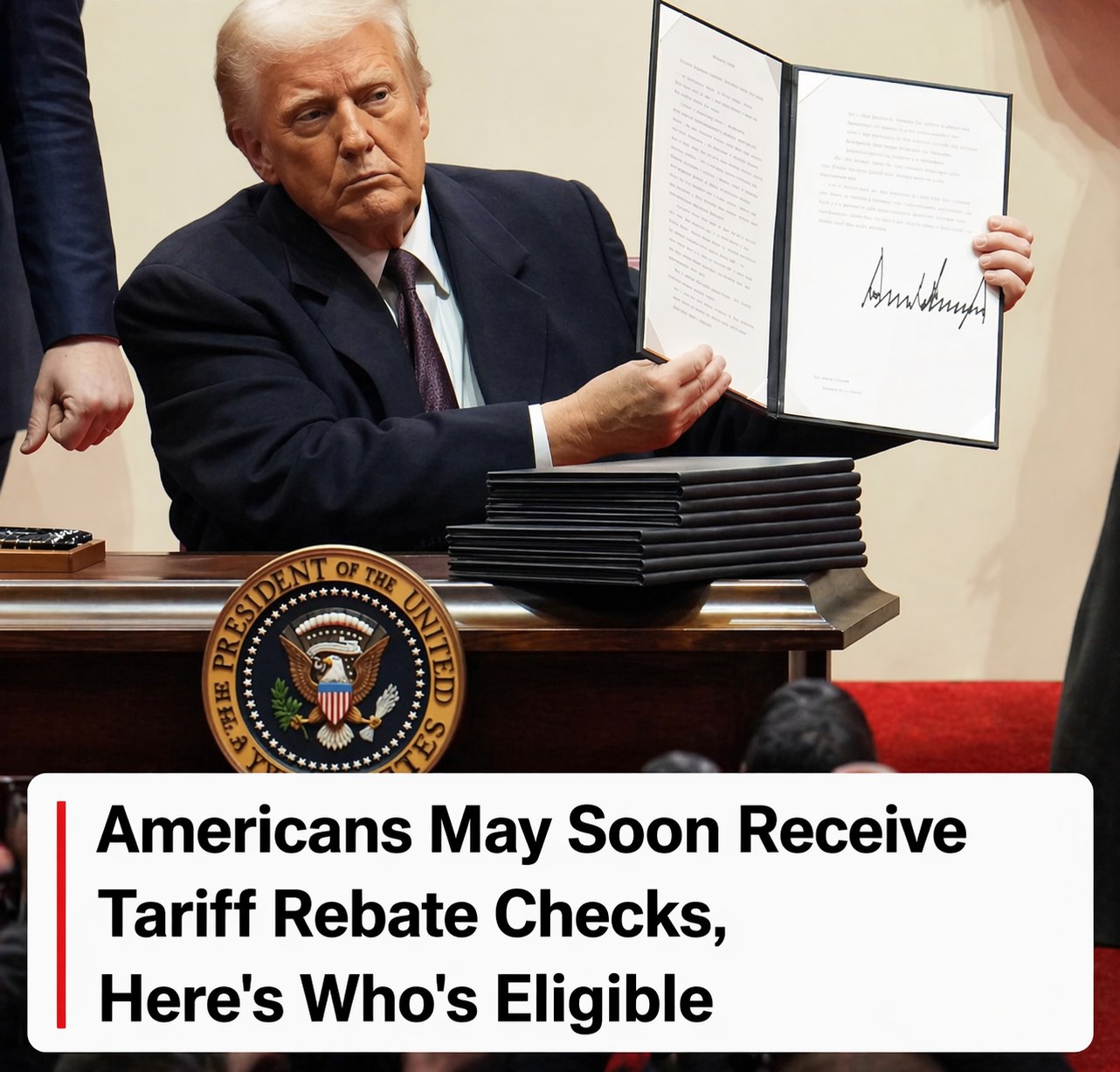
Behind the legal language and political framing lies a straightforward reality: Americans have been footing the bill for a trade war they never directly chose. The tariffs introduced during the Trump era were presented as pressure on foreign competitors, but the costs gradually worked their way into everyday life — from grocery prices to rent budgets and rising credit card debt. Now, with parts of that tariff system being challenged or rolled back by the Supreme Court, Washington is confronted with a difficult question: should any financial relief go back to corporations involved in trade disputes, or to the households that absorbed the higher costs?
The Heinrich and Cuellar proposals attempt to translate a complex legal and economic issue into something tangible for the public — rebate checks of $600 or $1,200, with additional support for children, aimed at households already under financial strain. Whether these measures will survive the current political divisions remains uncertain. Still, the debate highlights a long-standing concern: in large-scale trade disputes, ordinary consumers often end up bearing the heaviest burden, and this moment may represent a rare opportunity to address that imbalance.
Leave a Reply