
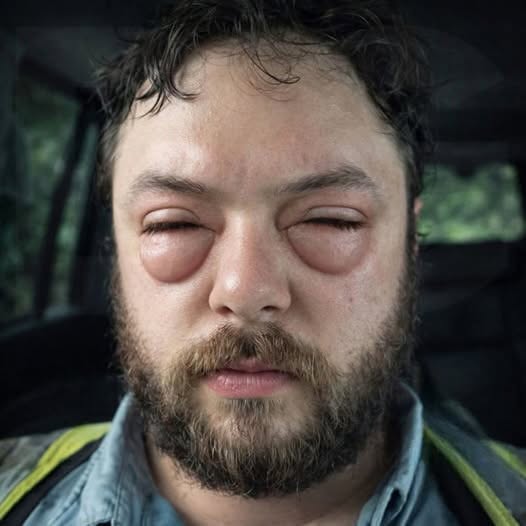
Eye Bumps: Causes, Symptoms, and When to Get Medical Advice
Bumps on or around the eye are a common issue and can develop for many different reasons. While they may look concerning or feel uncomfortable, most are not serious and can be managed with basic care. Understanding what causes them—and when they might need medical attention—can help you take the right steps to protect your eye health.
What Are Eye Bumps?
Eye bumps are small lumps or areas of swelling that can form on the eyelid, along the lash line, or nearby skin. They can differ in size, color, and level of discomfort. Some disappear on their own, while others may persist and require evaluation.
Common Causes of Eye Bumps
1. Stye (Hordeolum)
A stye is a painful, red bump that appears along the edge of the eyelid. It usually develops due to a bacterial infection in an oil gland or hair follicle.
Common signs include:
- Tenderness or pain
- Swelling
- A small, pus-filled center
Styes often improve within a few days with simple treatment.
2. Chalazion
A chalazion is a firm, typically painless lump caused by a blocked oil gland. Unlike a stye, it is not usually linked to infection.
Key features:
- Slow development
- Little to no pain
- May last longer than a stye
3. Allergic Reactions
Allergies can trigger swelling and small bumps around the eyes.
Common triggers:
- Pollen
- Dust
- Makeup or skincare products
These reactions are often accompanied by itching, redness, and watery eyes.
4. Cysts or Benign Growths
Non-cancerous cysts can form under the skin of the eyelid. While generally harmless, they may not go away without treatment.
5. Conjunctival Papillae
These small bumps form on the inside of the eyelid, often due to irritation, infection, or allergies. They can create a sensation like something is stuck in the eye.
When Should You See a Doctor?
Most eye bumps are mild, but you should seek medical advice if you notice:
- Rapid growth or increasing pain
- Changes in vision or blurred sight
- Ongoing redness, swelling, or discharge
- A bump that doesn’t improve after a few weeks
These symptoms may point to a condition that needs professional care.
Care and Treatment Options
Warm Compress
Applying a warm compress for 10–15 minutes several times a day can help reduce swelling and encourage healing.
Avoid Touching or Squeezing
Trying to pop or squeeze the bump can worsen the problem or spread infection.
Good Hygiene
- Wash your hands regularly
- Avoid sharing towels or eye products
- Remove makeup before going to bed
Follow Medical Guidance
If prescribed, use medications like antibiotic ointments or eye drops exactly as directed.
Prevention Tips
You can lower your risk of eye bumps by:
- Keeping your eyelids clean
- Replacing old or expired cosmetics
- Avoiding rubbing your eyes
- Managing allergies effectively
Final Thoughts
Although eye bumps can be irritating, they are usually temporary and not a cause for concern. With proper care, most clear up without complications. Staying aware of symptoms and acting early when something seems off can help keep your eyes healthy and comfortable.
Leave a Reply