
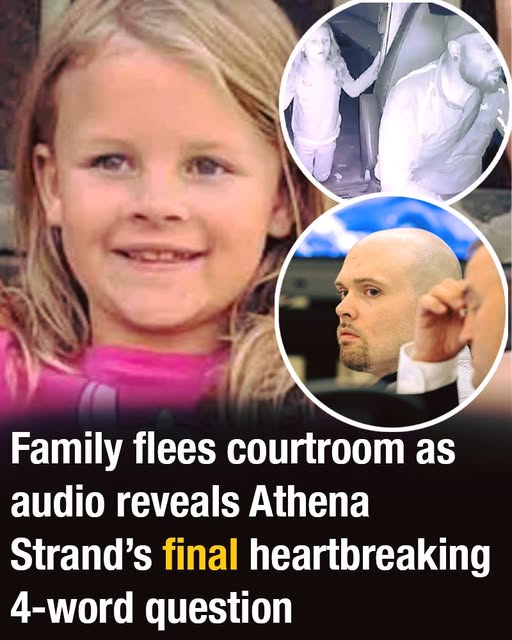
The case of seven-year-old Athena Strand remains one of the most heartbreaking and widely followed criminal cases in recent Texas history. What began as a routine day in a quiet rural community quickly turned into a tragedy that would draw national attention and leave a lasting emotional impact.
In December 2022, Athena was reported missing from her home shortly after being seen outside. At first, there were no clear signs of danger—only a growing sense of urgency as her family contacted authorities and a search effort began almost immediately.
Investigators soon focused on a delivery driver who had been in the area around the time of her disappearance. What initially appeared to be a routine package drop-off became a critical lead in the case. The suspect, later identified as Tanner Horner, was taken into custody as law enforcement worked to piece together the timeline.
The investigation quickly escalated, with evidence playing a central role in reconstructing what had happened. Authorities ultimately charged Horner with capital murder and aggravated kidnapping, reflecting the seriousness of the case.
Shortly before trial proceedings were set to begin, Horner entered a guilty plea. This shifted the focus of the courtroom from determining guilt to deciding the appropriate sentence under Texas law—either life imprisonment without parole or the death penalty.
During the sentencing phase, prosecutors presented evidence to help jurors understand the full scope of the crime. Due to the sensitive nature of some materials, the judge issued warnings ahead of time, allowing those present to step out if needed.
At one particularly difficult moment, the courtroom fell silent as key evidence was shown. The emotional weight of the case became unmistakable, with some individuals choosing to leave and others visibly shaken. Jurors themselves appeared deeply affected, reflecting the gravity of what they were asked to consider.
Throughout the proceedings, the atmosphere remained heavy. Family members of the victim attended key hearings, confronting the painful reality of the case while seeking justice. Court officials took steps to maintain order and protect privacy, limiting access to certain parts of the trial.
Beyond the courtroom, the case sparked broader conversations about child safety, community awareness, and the responsibilities tied to everyday roles—such as delivery work in residential areas. It also highlighted how quickly ordinary moments can take a devastating turn.
Law enforcement agencies later emphasized the speed and coordination of the initial response, noting the role of local officers, state investigators, and community volunteers in the search effort.
Public reaction across the United States was marked by shock and grief, driven by the young age of the victim and the circumstances surrounding the case. As coverage continued, attention turned toward the final sentencing decision and what it would mean in the pursuit of justice.
Legal experts noted that cases involving children often carry an especially heavy emotional toll, both inside and outside the courtroom. This case was no exception.
As proceedings moved toward conclusion, the jury faced the difficult responsibility of weighing the evidence and determining the final sentence. Their decision would mark the closing chapter of a case that deeply affected not only a family, but an entire community.
Though the legal process sought resolution, the emotional impact of Athena Strand’s story continues to resonate—serving as a reminder of the importance of vigilance, accountability, and the pursuit of justice in even the most difficult circumstances.
Leave a Reply