
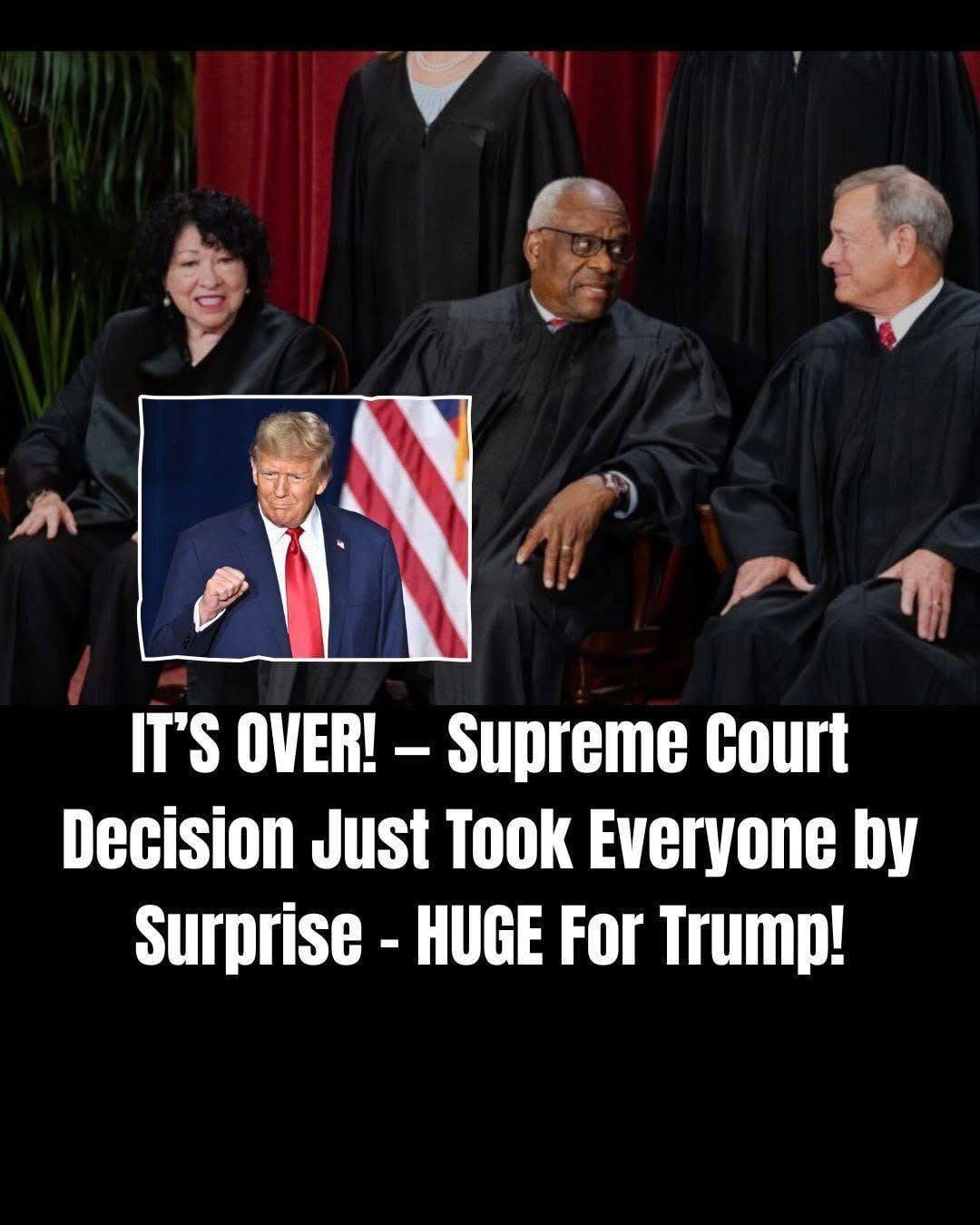
The ruling went beyond a narrow legal question about Temporary Protected Status—it reshaped the balance between humanitarian relief and executive authority. By framing TPS as a tool of foreign policy rather than a long-term safeguard, the Court effectively expanded the White House’s control over the lives of migrants already navigating instability.
For many Venezuelans who have built lives in the U.S.—working, paying taxes, and raising children—the decision carries a harsh implication: their presence was never guaranteed, and now that uncertainty has come due.
As DHS, under Kristi Noem, signals a tougher stance, the political divide deepens. Supporters argue the decision restores proper presidential authority and reinforces border policy, while critics view it as a rigid interpretation of the law that overlooks the human cost—families facing separation and individuals confronting the prospect of returning to unsafe conditions.
In the growing gap between legal authority and lived experience, hundreds of thousands remain in limbo, caught between the country they left behind and the one that may no longer offer refuge.
Leave a Reply