
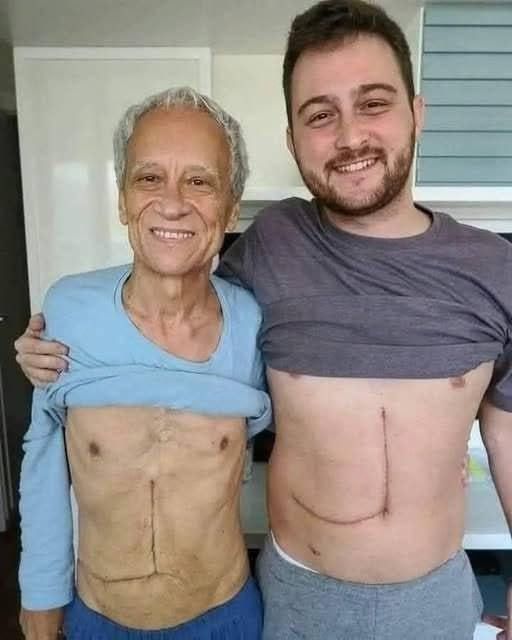
Living liver donation stands as one of the most powerful expressions of human connection—an act where love is not just spoken, but physically given. When a healthy person chooses to undergo major surgery to save someone they care about, it reflects something deeper than obligation. It reveals a bond built on trust, sacrifice, and the quiet understanding that some relationships are worth extraordinary risk. For families facing organ failure, living donation becomes more than a medical procedure—it becomes a lifeline when options feel limited.
At the center of this process is the remarkable science of Liver Regeneration. Unlike other organs, the liver has the unique ability to regrow after a portion is removed. When a donor gives part of their liver, both the remaining portion in their body and the transplanted segment in the recipient begin to restore themselves. Within weeks, function improves significantly; within months, the organ often returns close to its original size and capacity. This natural resilience transforms what seems like loss into a shared recovery—one life helping restore another.
Behind every transplant lies a deeply personal story. The decision to donate is rarely impulsive. It grows out of years of shared experiences, emotional bonds, and a profound sense of connection. Whether it’s a parent, sibling, or child stepping forward, the choice is shaped by love and reinforced through careful consideration. Medical teams conduct extensive evaluations—physical testing, imaging, and psychological assessments—to ensure the donor is both compatible and fully prepared for what lies ahead.
When compatibility is confirmed, relief often arrives alongside anxiety. Families begin preparing not only for surgery, but for the emotional and physical journey that follows.
The transplant procedure itself is a highly coordinated effort. Two surgical teams work simultaneously in separate operating rooms, one caring for the donor, the other for the recipient. Every step is timed with precision to reduce risk and ensure the transplanted liver begins functioning as quickly as possible. It is a moment where advanced medicine and human intention intersect—where expertise, trust, and hope converge in a life-changing operation.
In the days that follow, even the smallest improvements can feel monumental. A recipient who once seemed drained may slowly regain energy, clarity, and strength. These changes may appear gradual, but for those who have witnessed the decline, they carry profound meaning.
Recovery, however, is not without its challenges. Donors must heal from a major surgical procedure, often facing fatigue, discomfort, and temporary complications as the body adjusts. It can take time—sometimes months—before a full return to normal activity feels possible.
Recipients also face a long-term adjustment. Managing anti-rejection medications, attending regular medical checkups, and processing the emotional weight of the gift they’ve received all become part of daily life. Gratitude is often accompanied by a sense of responsibility—and at times, even complexity in how they process the sacrifice made on their behalf.
Beyond the medical outcomes, the emotional impact often reshapes families. Experiences like this tend to shift priorities. Old conflicts lose significance, replaced by a deeper appreciation for time, presence, and connection. What once felt urgent may no longer matter in the same way.
Support systems often grow stronger through the process. Friends, relatives, and communities step in—offering practical help or simply showing up. What begins as a crisis frequently becomes a shared journey, reinforcing a simple but powerful truth: even in the most difficult moments, people rarely face them alone.
Leave a Reply