
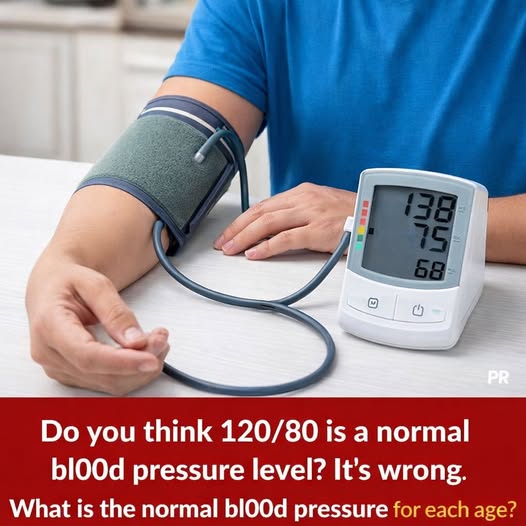
For years, many people were told that higher blood pressure was just part of getting older — something expected, even acceptable. But research has shifted that thinking. Elevated blood pressure doesn’t adapt to aging; it quietly damages blood vessels, overworks the heart, and raises the risk of stroke and cognitive decline at any stage of life.
That’s why major organizations like the American Heart Association and the American College of Cardiology moved away from age-based “normal” ranges. Evidence shows that maintaining lower, well-controlled blood pressure offers better protection — even for older adults.
One of the most influential studies, the SPRINT trial, reinforced this shift. It found that more intensive blood pressure control in adults over 75 significantly reduced deaths and serious cardiovascular events.
The takeaway is simple: arteries don’t benefit from higher pressure over time — they’re harmed by it.
If you’ve been told that something like 140/90 is “good enough” because of your age, it may be worth revisiting that advice. Keep track of your readings, stay informed about current recommendations, and have an open conversation with your doctor about what targets are right for you.
Leave a Reply