
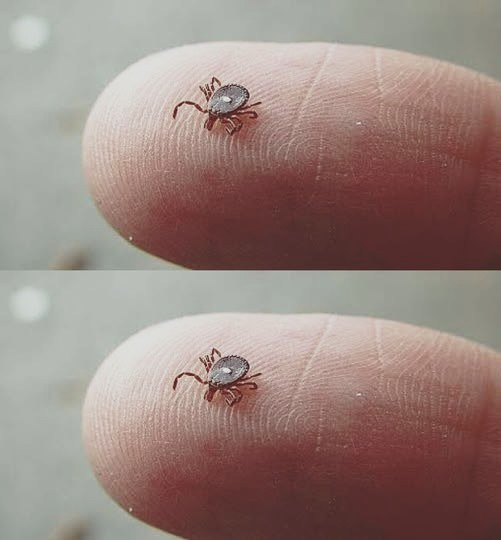
The discovery of a Lone Star tick bite can be unsettling. It often starts with a small, unfamiliar mark on the skin—something that immediately feels out of the ordinary and calls for attention.
For many, the first reaction is a mix of surprise and concern. Ticks are known to carry pathogens, and improper or delayed removal can increase the risk of complications. That’s why knowing how to respond calmly and correctly is so important.
Careful Removal and Immediate Action
If you find a tick attached to the skin, safe removal should be your first priority. Using fine-tipped tweezers, grasp the tick as close to the skin as possible and pull upward with steady, even pressure. This helps ensure the entire tick is removed without leaving parts embedded.
Afterward, clean the area thoroughly with soap and water or an antiseptic. This reduces the chance of infection and helps the skin begin healing properly.
Some people choose to keep the tick in a sealed container. This can be useful for identification later, especially if symptoms develop and a healthcare provider needs more information.
Monitoring After a Bite
In the days that follow, it’s important to stay aware of any changes in the body. While many bites don’t lead to illness, watching for symptoms can make a difference.
Keep an eye out for:
- Rashes (especially expanding or unusual ones)
- Fever or chills
- Fatigue
- Muscle or joint pain
These signs don’t always mean something serious, but they can indicate a need for medical evaluation—especially when linked to tick exposure.
Staying Calm but Alert
It’s normal to feel anxious after discovering a tick bite. Even minor sensations can feel more intense when you’re worried about what might develop.
The key is balance: stay aware without panicking. Most tick bites don’t result in illness, but early attention and proper care help ensure that if something does arise, it can be handled quickly and effectively.
Leave a Reply