
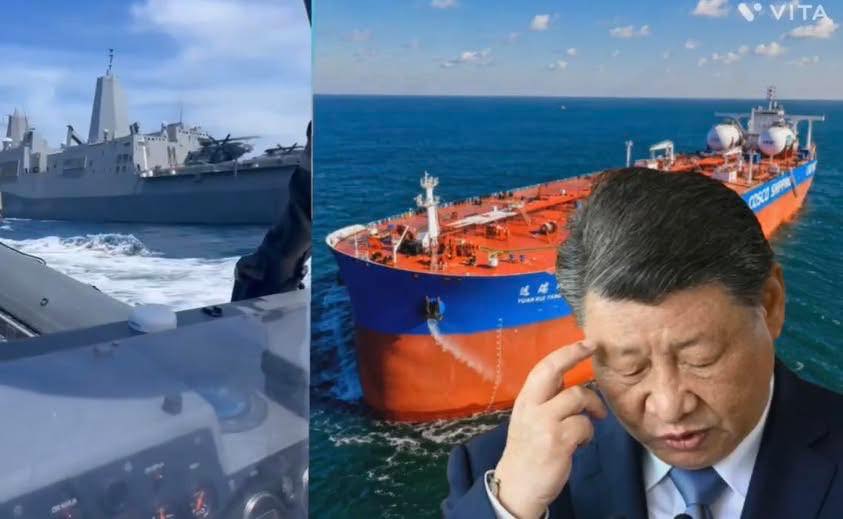
Donald Trump moved quickly after weekend negotiations with Iran broke down. On April 13, 2026, the U.S. Navy initiated a sweeping maritime restriction targeting Iranian ports and coastal access near the Strait of Hormuz—a critical corridor for global oil shipments. The move is aimed at cutting off a major source of revenue tied to Iran’s energy exports.
Early shipping data suggests an immediate ripple effect. At least two oil tankers reportedly altered course near the strait shortly after the measures took effect at 10 a.m. EDT. The Malawi-flagged Rich Starry, carrying crude and indicating China as its destination, reversed direction soon after nearing the chokepoint following its departure from Sharjah anchorage. Similarly, the Botswana-flagged Ostria, partially loaded and linked to Chinese buyers, also turned away under similar circumstances.
While details around additional vessels remain unclear, the broader signal is being closely watched: access to Iranian-linked oil routes appears increasingly constrained. Current reports indicate that U.S. enforcement is focused specifically on traffic connected to Iranian ports, while other commercial shipping continues to move through the strait under observation.
The strategy reflects a broader effort to apply economic pressure, particularly targeting Iran’s oil revenues—long considered a central pillar of its economy. By tightening control around one of the world’s most vital maritime passages, Washington appears to be seeking leverage in ongoing tensions, including disputes tied to nuclear development.
The development also carries implications for China, a major importer of Iranian crude. The reported course changes by tankers suggest a cautious response from shipping operators navigating the evolving situation.
As events continue to unfold, analysts are watching closely to assess both the immediate impact on global energy flows and the longer-term geopolitical consequences. The situation underscores how quickly maritime policy decisions in the Gulf region can influence international markets and diplomatic dynamics.
Leave a Reply