
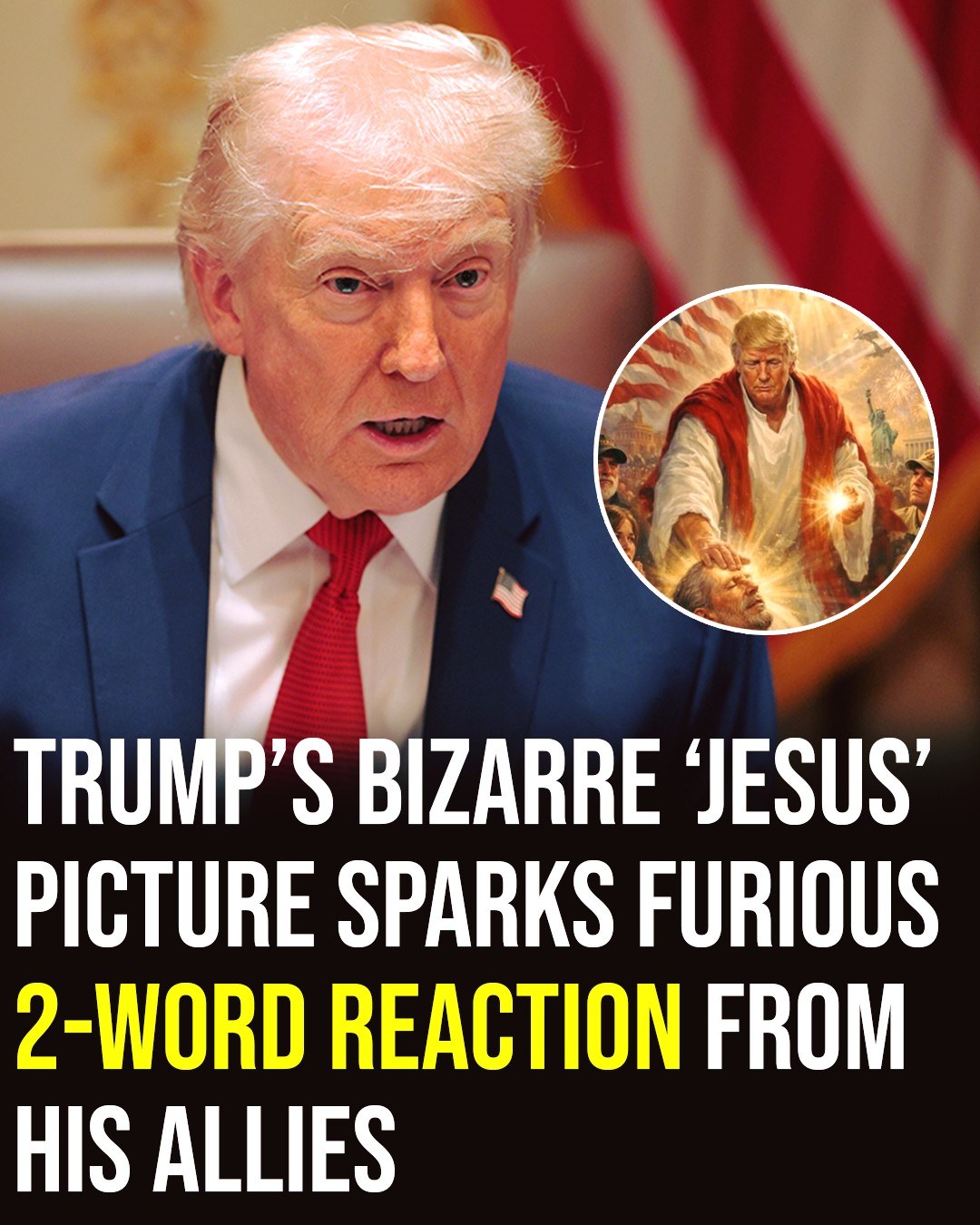
Donald Trump has once again become a focal point of online and political discussion after sharing an AI-generated image on his platform, Truth Social. The image, marked by strong religious symbolism, quickly drew widespread attention and sparked a wave of mixed reactions across political and religious communities.
The controversy followed a separate post in which Trump criticized Pope Leo XIV, using sharp language to describe the pope’s positions on crime and foreign policy. Shortly afterward, he posted the AI-generated image without explanation, leaving its intent open to interpretation and fueling further debate.
The illustration depicted Trump in flowing robes, positioned in a scene reminiscent of traditional portrayals of Jesus Christ healing the sick. The composition included a hospital setting, an elderly patient, and observers such as medical staff and civilians, all rendered with a dramatic and reverent tone.
Additional elements—such as imagery resembling the Statue of Liberty, the Lincoln Memorial, and patriotic symbols like the American flag—added to the layered symbolism. Visual details like eagles, aircraft, and glowing effects further emphasized the stylized and theatrical nature of the image.
Reactions were sharply divided. Critics argued that the use of religious imagery in this context was inappropriate, suggesting it blurred the line between political identity and sacred symbolism. Some, including voices within religious communities, expressed discomfort with what they viewed as an overreach or misuse of deeply meaningful imagery.
Others interpreted the post differently, framing it as symbolic, satirical, or consistent with Trump’s established style of using bold and unconventional visuals in digital communication. Even among supporters, however, opinions varied, particularly regarding the religious undertones.
The episode also reflects a broader shift in political discourse, where AI-generated imagery is becoming more common. As these tools evolve, they raise new questions about interpretation, intent, and the ethical boundaries of visual messaging—especially when tied to emotionally charged themes like religion.
Without a clear explanation from Trump, the meaning of the image remains open-ended. What is certain is that the reaction highlights how quickly a single piece of digital content can ignite widespread debate, revealing deeper divisions in how audiences interpret symbolism, politics, and the growing role of artificial intelligence in public communication.
Leave a Reply